
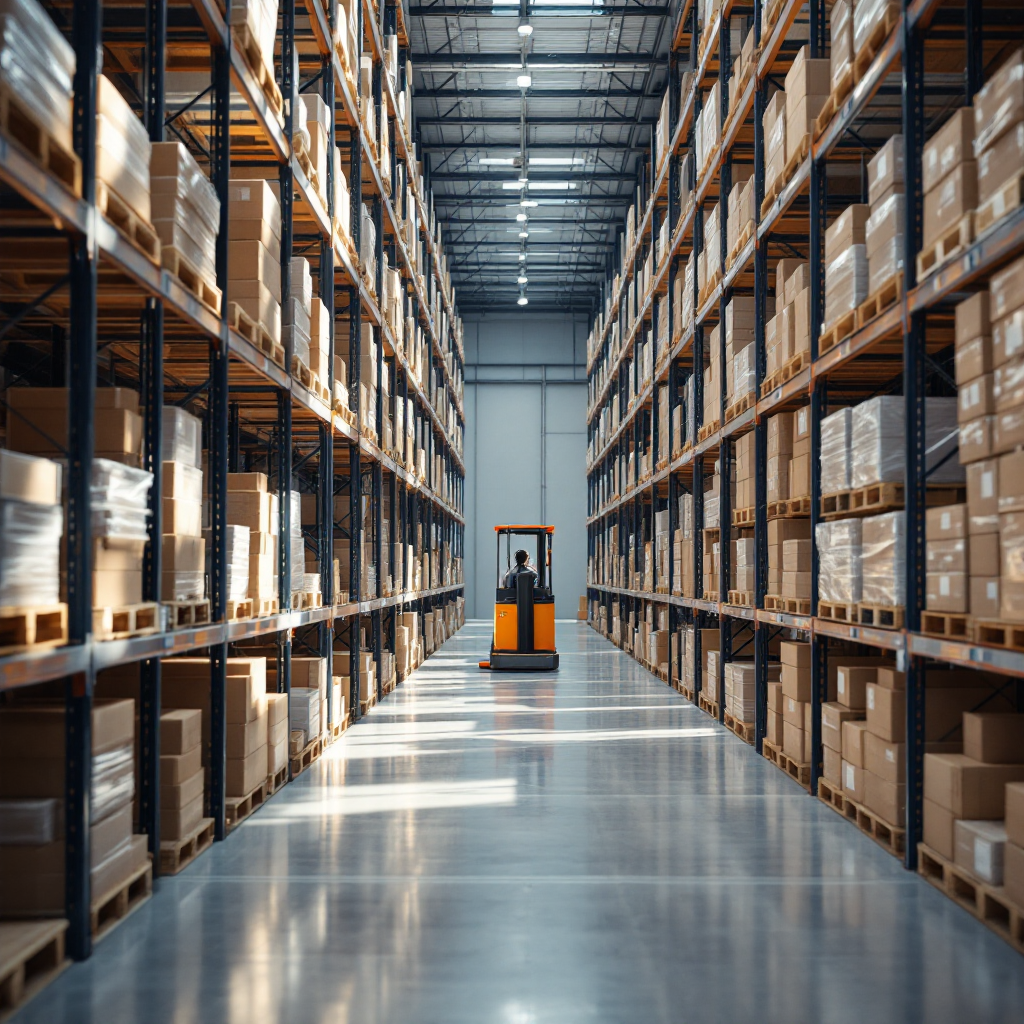
Understanding forklift and lift truck operations in material handling
A forklift serves as a powered industrial truck that moves, lifts, and places loads. It is known as a forklift or lift truck in many sites. Operators rely on this piece of equipment for tasks that range from simple pallet moves to complex order-picking at height. Each machine comes with a rated capacity and a specified load centre. You must match the load weight and the load centre to the rated capacity. Otherwise, you risk tip-over and damage.
Key components include the mast, carriage, forks, counterweight, powertrain, and hydraulic system. The mast type governs lift heights and visibility, and the carriage mounts forks or attachments. Electric, internal combustion-powered industrial, and hybrid options exist. For example, internal combustion models running on diesel or LPG remain common outdoors, while electric models reduce indoor emissions and noise. Many facilities now favor electric forklift units to meet sustainability goals and to lower carbon monoxide risk.
Mast types include simplex, duplex, and triplex, and they affect maximum lift heights and reach. The load centre concept uses a standard distance from fork face to load centre, and you should account for attachments because they change the effective capacity. Reach trucks and counterbalance trucks solve different needs. A reach truck gives extra reach in narrow racks, while counterbalance trucks offer straightforward loading without outriggers. For high throughput, order pickers and pallet jacks or pallet trucks serve light moves and order-picking tasks.
Safety and compliance matter. Employers and workers who operate forklifts must follow standards for forklift and powered industrial truck operation, including 29 CFR guidance for operator training and certification. As one industry source notes, “Forklifts are involved in a significant number of workplace injuries, underscoring the need for rigorous safety protocols” (MHEDA). You should therefore select a qualified forklift operator and keep clear procedures for pedestrian routes and spotting in place.
When planning purchases, examine the range of capacities offered. Manufacturers list a range of capacities and attachments. A small 3-wheel sit-down unit often handles indoor pallet moves. A larger sit-down unit offers higher capacity and durability for yard work. For container handlers and terminal operations, integrate yard planning tools to reduce congestion and improve flow; see resources on optimizing container stacking for yard operations for related ideas and coordination between handlers and forklifts.
Designing warehouse layouts for efficient material handling and narrow aisle flow
Warehouse layout determines how fast and safely you move goods. Start with workflow mapping. Then, design aisles, pick zones, and staging to reflect SKU velocity and handling equipment. Narrow aisle layouts can save substantial floor space, and they can improve storage density. You trade some maneuverability for higher rack capacity. Narrow aisle operation works best with reach truck models or articulated forklifts designed for tight spaces.
Aisle width and rack placement affect travel time and pick rates directly. For example, wider aisles reduce travel delays, and one-way lanes cut cross-traffic incidents. Use clear signage and floor markings and create designated pedestrian routes with barriers or painted walkways. Also, layout decisions should consider lift heights and the fleet mix, and they should factor in loading docks, docking patterns, and staging zones.
Pick modules placed close to packing stations cut non-value travel. Slot high-velocity SKUs near the packing and shipping areas. Use zone picking or wave picking for different order profiles. Additionally, evaluate order-picking equipment, such as order pickers and pallet trucks, for compatibility with rack heights and pick-face access. To coordinate container and yard planning with dock workflows, consult best practices on optimizing container stowage plans, since dock sequencing impacts inbound and outbound forklift traffic.
Plan one-way lanes and clear pedestrian crossings. Pedestrian separation reduces forklift accidents and improves operator comfort. Include ergonomic workstations near packing zones so pickers and drivers do not bend or twist excessively. Provide adequate turning radii for sit-down and 3-wheel models, and place charging stations for electric pallet trucks and electric counterbalance units away from high-traffic areas. Finally, measure productivity and refine layout with cycle-time studies and continuous improvement.
Optimize Beyond Your Best Day
Most AI copies the past. Loadmaster.ai uses Reinforcement Learning to simulate millions of scenarios, delivering higher crane productivity and fewer rehandles without needing historical data.
Learn how StowAI, StackAI, and JobAI superpower your terminal →
Choosing the right forklift truck: counterbalance, stacker and pallet trucks compared
Choosing the right forklift or lift truck starts with the job. First, list load weights, lift heights, and frequency. Then, match capacity and attachments to those needs. Counterbalance forklifts work well at docks and for general loading. They have no outriggers and they offer simple truck operation. Counterbalance models handle a wide range of loads and often provide strong performance and reliability.
Electric pallet trucks and hand pallet trucks suit light moves and short distances. Use pallet trucks for dock transfers, staging, and small order assembly. A pallet jack or powered pallet truck can replace manual effort and improve cycle times for low lift heights. For racking work, electric stacker units give lift and handling in compact zones. A stacker offers lift capability without the footprint of a full counterbalance truck.
Consider reach trucks when you need high rack access in narrow aisle environments. A reach truck extends the forks forward and increases usable rack depth. Similarly, order pickers let workers pick at designated heights and reduce travel time for high-volume single-line orders. Choose a 3-wheel electric model for tight turning and indoor maneuverability, and select a sit-down model when operator comfort and longer shifts matter.
Fuel and power choices affect downtime and maintenance. Electric forklift adoption grows because lithium-ion batteries cut charge time and maintenance. The market trend supports the rise of electric models (Grand View Research) and buyers report benefits in indoor air quality. Yet, internal combustion machines that run on diesel or LPG still serve heavy outdoor work effectively. When you evaluate a new forklift versus a certified used option, weigh lifecycle cost, warranty, and local support for service and parts. Also, match lift heights and reach capability to your rack design so trucks are neither undersized nor over-specified.
Selecting tyre solutions: pneumatic, pneumatic tire and cushion tire considerations
Tire choice shapes traction, cushion, and floor wear. Pneumatic tires deliver better ride and traction on rough or outdoor floors. Use pneumatic tire forklifts for yard work, uneven surfaces, and container handling. By contrast, cushion tire units suit smooth indoor applications. Cushion tires lower the machine height and they offer tighter turning. Pick cushion tire models for compact warehouses and high-traffic aisles.
Maintain pneumatic tires to reduce downtime and to extend the tyre life. Regular inspections catch cuts, embedded debris, and tread wear. Keep proper inflation and rotate tires when wear patterns appear. A well-maintained pneumatic tire reduces vibration and improves operator comfort. For indoor applications with spalled concrete, a soft compound pneumatic may protect loads better.
Consider slip-resistance and floor marks. Cushion tire forklifts can scuff soft finishes. If floor protection matters, use polyurethane or non-marking compounds. For mixed indoor-outdoor sites, choose a pneumatic tire forklift with durable treads. Also, think about replacement logistics. Tires wear at different rates by jobsite and by duty cycle. Work with your supplier to maintain tire stock and planned replacement intervals.
Select tyres that match your material handling challenge to preserve productivity. Evaluate floor types, typical loads, and seasonal conditions. When moving shipping containers or heavy chassis, rely on pneumatic tires for the extra absorption and traction required. For indoor, clean-floor operations, choose cushion tire models for the best maneuverability and smaller turning radii.
Optimize Beyond Your Best Day
Most AI copies the past. Loadmaster.ai uses Reinforcement Learning to simulate millions of scenarios, delivering higher crane productivity and fewer rehandles without needing historical data.
Learn how StowAI, StackAI, and JobAI superpower your terminal →
Finding the forklift for your application: comparing forklifts for sale and exceptional performance
Identify the right forklift for your application by testing against key factors. Start with load weight, lift heights, and environment. Next, add shift length, operator count, and uptime targets. Look at models that offer performance and reliability, and examine published uptime metrics. For instance, some safety and stability systems have proven that modern safety technology does not reduce uptime; Toyota reported high availability for its SAS system and strong levels of performance in the field (Toyota).
When choosing between a new forklift and a certified used option, compare warranty terms, total cost of ownership, and maintenance history. A new forklift typically brings the latest safety features, lithium-ion batteries, and the option for electric counterbalance units. Used units can lower capital spend, and certified used programs often include refurbishment and service plans. Look for local support and parts availability when you buy forklifts for sale.
Consider battery technologies. Lithium-ion batteries deliver faster charging, and they reduce changeover labor for multi-shift operations. Electric pallet trucks and electric forklift models with lithium-ion batteries lower idling costs and cut emissions. Also, evaluate attachments and options for ergonomy and operator comfort. Features such as adjustable seats, improved ergonomics, and easy-access controls help reduce fatigue and improve productivity.
Integrate procurement with maintenance planning. Use digital tools to track service intervals and to predict part replacements. This reduces administrative delays when ordering parts or scheduling preventive maintenance, and it helps keep your fleet online.
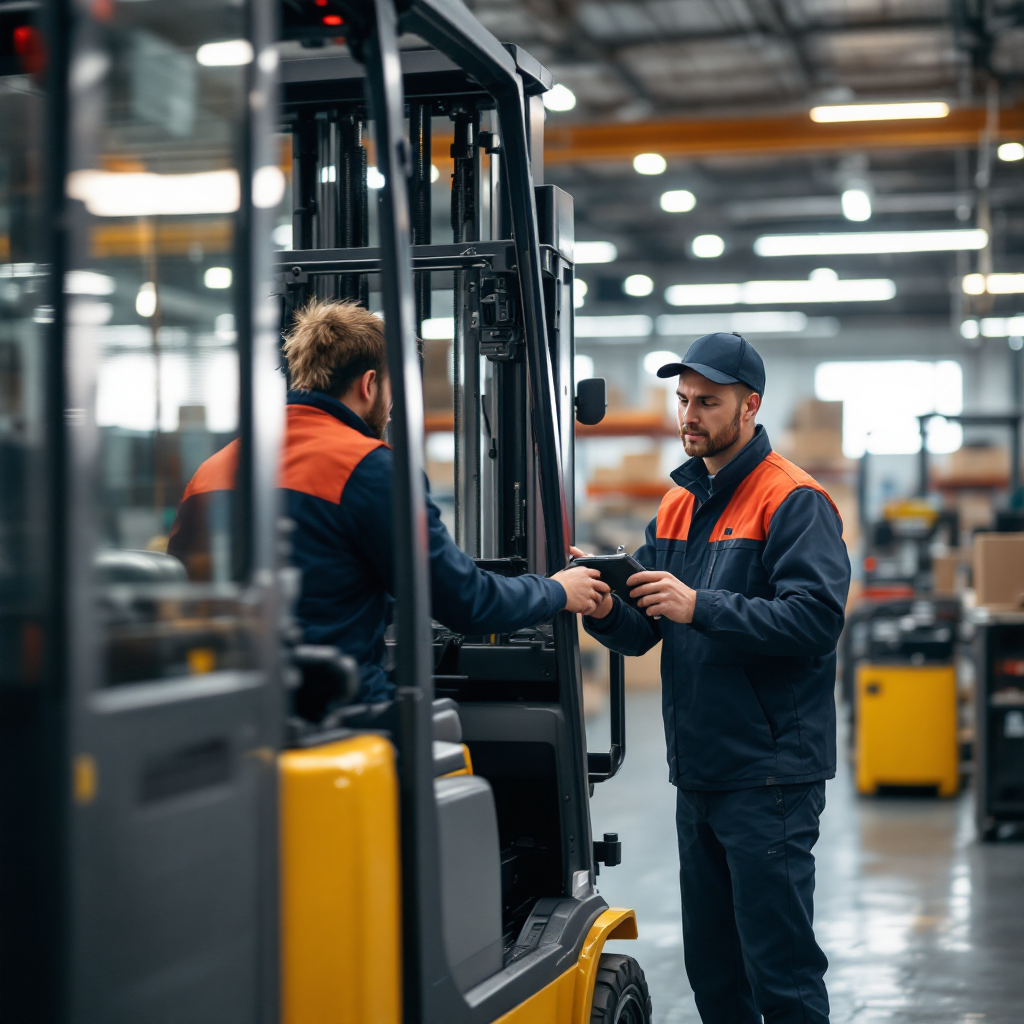
Embracing electric pallet, electric pallet trucks and electric counterbalance with forklift training and associations and organizations
Electric pallet and electric pallet trucks grow in popularity. They cut local emissions, lower noise, and reduce routine maintenance. Many warehouses replace manual hand pallet trucks and hand pallet jacks with powered units. This change reduces worker strain and improves cycle times. At the same time, electric counterbalance trucks expand indoor options for medium to heavy loads, and they support indoor applications where ventilation is limited.
Training remains critical. Forklift training and forklift operator training ensure safe, efficient operation. Employers must certify forklift operators and maintain records. The 29 CFR operator training rules and industry standards guide programs. Qualified forklift instructors teach hazard recognition, daily checks, and safe maneuvering. Operator comfort and ergonomics reduce fatigue, and ergonomics matter for repeatable safe handling.
Associations and organizations provide standards, certifications, and resources. Join industry groups for updated best practices and for networking. Also, use simulated drills for pedestrian interaction and for spotting in tight aisles. Detect objects and pedestrians with on-truck sensors and with improved safety features to lower forklift accidents. Encourage driver license verification for on-site vehicle operation where required by local rules.
Automation affects the landscape. Some operations move toward reduced manual lifting and toward autonomous or semi-autonomous flows, and automation helps to create forklift-free zones in select workflows (Caster Connection). For larger terminal or yard coordination, integrate AI planning to improve container sequencing and yard density predictions; see related work on yard operations optimization to extend these ideas into mixed terminal environments. Finally, combine sound training with appropriate equipment selection so workers who operate and facilities get the right material handling solutions and long-term performance.
FAQ
What is the difference between a forklift and a lift truck?
A forklift and a lift truck refer to the same family of powered industrial truck. Practically, forklift serves as the common name, and lift truck appears in some formal documents. Both move and lift pallets and loads, and both require proper operator training.
How do I select the right capacity for my forklift?
Select capacity by matching the heaviest load and the load centre to the truck’s rated capacity. Add the weight of attachments and consider lift heights so the truck remains stable. Always include a safety margin and consult manufacturer load charts.
Are electric pallet trucks a good replacement for manual jacks?
Yes. Electric pallet trucks increase productivity and reduce worker strain. They perform well for frequent short moves and improve throughput at docks and staging areas.
When should I use pneumatic tire vs cushion tire?
Choose pneumatic tires for outdoor or rough surfaces and for container handlers. Choose cushion tires for smooth indoor floors and tight aisle work because they allow smaller turning radii. Maintenance and floor protection also influence the decision.
What safety features should I expect on modern forklifts?
Modern trucks include stability systems, presence detection, seat interlocks, and improved visibility. Advanced units can detect objects and pedestrians, and they often offer speed-limiting and automatic braking features.
How does lithium-ion change battery management?
Lithium-ion batteries charge faster and support opportunity charging. They reduce battery room needs and lower the total cost of ownership in many high-utilization operations. However, plan for charging infrastructure and cooling requirements.
Should I buy new or used forklifts for sale?
Buy new if you need the latest safety systems, warranty coverage, and minimal downtime. Choose certified used units to save capital when service history is solid and local support exists. Compare lifecycle costs and parts availability.
What certifications or associations should my operators engage with?
Operators should complete recognized forklift operator training and follow workplace standards such as 29 CFR training rules. Industry associations offer updated guidance, technical resources, and operator refresh courses.
How do I reduce forklift accidents in a busy warehouse?
Reduce accidents by separating pedestrian zones, enforcing speed limits, and installing clear signage. Train operators regularly and maintain trucks to prevent mechanical failures. Use planned layouts and one-way lanes to cut conflicts.
Can automation make my operation forklift-free?
Automation can replace forklifts in selected processes, especially repetitive transfers and high-volume flows. However, many sites need a mixed fleet for flexibility, and automation works best when integrated with layout and yard planning tools.
Loadmaster.ai — Reinforcement Learning AI agents for Container Terminals. Book a demo to see our digital twin in action.