

truck and terminal Synergy in Yard Handling
The interaction between a truck and a terminal sets the pace for every intra-yard movement. In confined spaces such as a port or a warehouse, the truck must be precise. At the same time, the terminal must be organised to minimise delays. Terminal tractors exist to bridge this gap. They are specialised units that move trailers, shuttles, and containers inside a yard. As a result, throughput improves and workflow becomes predictable.
Yard operations demand short, repeatable movements. Therefore, terminals favour purpose-built machines that can hitch, move, and spot trailers without leaving the yard. A terminal tractor offers a reinforced chassis, a low-profile design, and a fifth-wheel configured for rapid coupling. These features reduce trailer idle time and quicken trailer handoffs. For example, the global market for terminal tractors was valued at roughly USD 1.87 billion in 2024, which underscores how critical these vehicles are to logistics businesses USD 1.87 billion in 2024. In addition, demand rises because e-commerce and cold chain growth push terminals to increase speed and accuracy market projections.
Operational synergy depends on clear roles. A truck brings trailers to the gate. Then, a terminal tractor or spotter takes over inside the yard. Thus, the yard manager can keep highway traffic flowing while internal movements proceed smoothly. Also, using yard truck fleets reduces the wear on highway-class trucks, and helps certify that heavy lifting happens on gear designed for it. Companies that manage yards benefit from workflow rules, telematics, and real-time monitoring to schedule picks and drops.
For deeper reading on container placement and stacking strategies inside a terminal, consult resources that explain container-stacking algorithms and yard density prediction, which link yard movement decisions to crane sequences and storage patterns optimizing container stacking for yard operations. In short, a coordinated truck and terminal approach delivers measurable gains in productivity and operational uptime.
terminal tractor: ottawa t2 terminal tractor Key Features
The Kalmar Ottawa T2 is a purpose-built machine for intense yard work. The kalmar ottawa t2 blends rugged design with operator comfort. Its layout focuses on a reinforced chassis that resists torsion during heavy trailer moves. Also, the ottawa t2 terminal tractor features a compact cab and a strong engine that deliver repeatable pulls. The ergonomic cab improves visibility. As a result, drivers report safer and more confident operation.
The ottawa t2 terminal tractor includes a heavy-duty fifth-wheel and a hydraulic lift that help align and latch trailers quickly. In practice, that means shorter hook-up times and fewer slowdowns at shift change. The cab is raised for visibility and built with large glass panels to reduce blind spots. The ergonomic seating, straightforward controls, and optional automatic transmission allow a driver to operate without fatigue. Therefore, the machine supports high performance over long shifts.
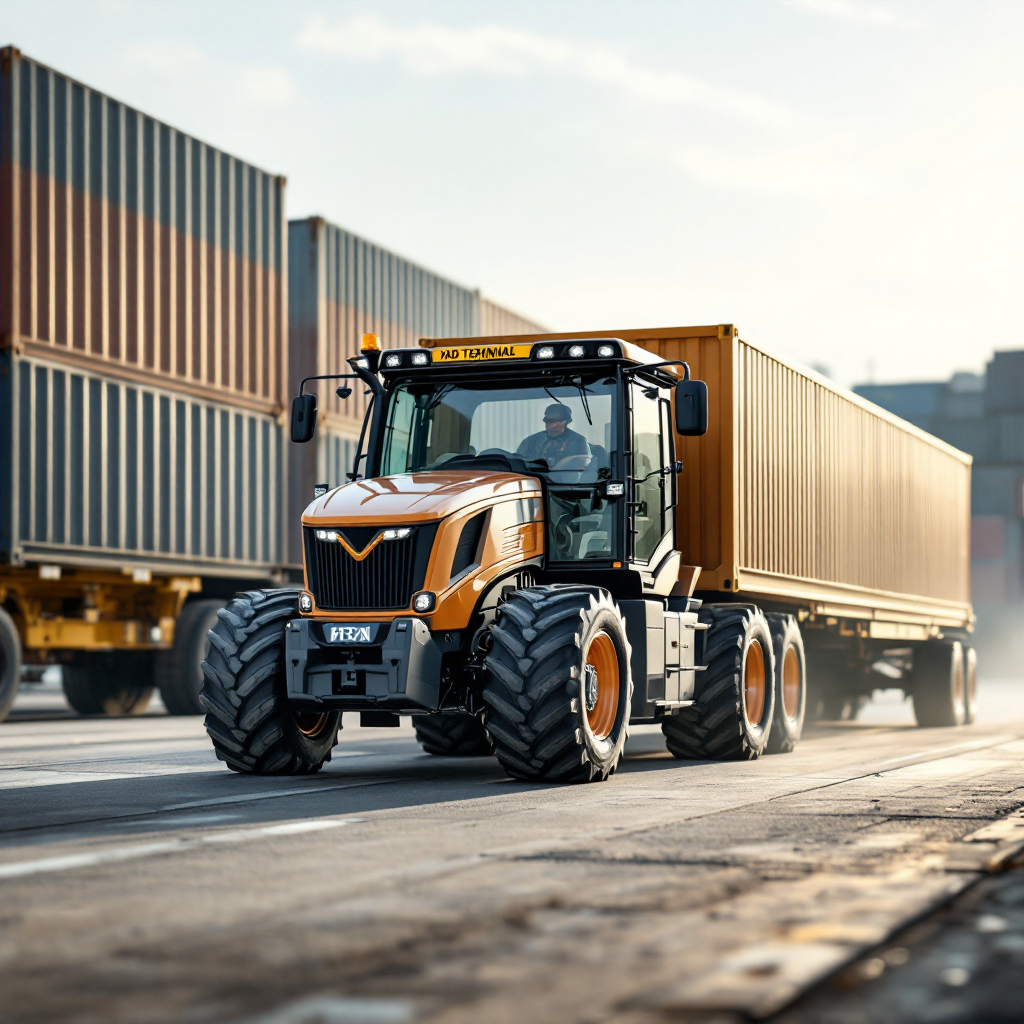
For maintenance, the ottawa t2 keeps service points accessible. That lowers routine downtime and preserves fleet uptime. In addition, telematics packages can be added for monitoring engine hours, fuel consumption, and service alerts. Using telematics, managers can schedule preventive maintenance and certify that each unit remains reliable. A good telematics system also tracks lift cycles and fifth-wheel engagements, feeding data to asset managers and operational planners.
If organisations seek alternatives, they often compare used terminal tractors against new models to balance capital cost and expected uptime. For short-term needs, some operators prefer terminal tractor rentals to add capacity without big procurement cycles. Finally, the ottawa t2’s combination of chassis strength, ergonomic cab, and proven drivetrain makes it a popular choice for high-throughput yards that need a safer, more efficient way to move trailers and containers.
Optimize Beyond Your Best Day
Most AI copies the past. Loadmaster.ai uses Reinforcement Learning to simulate millions of scenarios, delivering higher crane productivity and fewer rehandles without needing historical data.
Learn how StowAI, StackAI, and JobAI superpower your terminal →
terminal truck, yard Efficiency and container Movements
A terminal truck defines the workflow inside a busy yard. First, a yard truck picks up a loaded trailer from a staging area. Next, it brings the trailer to a spotter or a crane for container transfer. Then, after unloading or loading, the truck returns the trailer to a dock or to a trailer park. These short loops keep highway trucks turning and reduce dock congestion. The process relies on smooth control and clear assignment of tasks.
Workflows vary by facility. In distribution centres and intermodal hubs, the terminal truck may operate on fixed lanes. In ports, the vehicle must sync with quay cranes and straddle carriers. For readers who want to explore yard AI and container-terminal automation, see material on machine learning approaches to yard density and container sequencing that help planners place trailers faster yard AI and container terminal. Such systems reduce search time and speed pickups.
In practice, yards shorten turnaround by reducing trailer idle time. For example, optimised sequencing cuts the time between arrival and hookup. Also, assigning a dedicated yard dog or spotter truck to high-turn trailers eliminates repeated repositioning. For container-centric operations, planners pair terminal trucks and spotter units so cranes never wait. That approach increases operational efficiency and cuts labour touchpoints.
Operatives who manage these flows also lean on telematics and monitoring to keep every unit available. Preventive maintenance means trucks operate more predictably. When a driver spots irregularities, they report them to the fleet manager who coordinates repairs. For more on optimising container stowage and quay crane sequencing, check guidance on container-stowage plans and crane optimisation to align yard moves with vessel operations container stowage planning.
Overall, a disciplined terminal truck strategy reduces delays, improves cargo handling, and keeps yard flows steady. Managers who link yard activities to digital control systems deliver faster, more reliable turns for cargo and highway traffic alike.
electric and electric terminal Innovations
The sector is shifting from diesel to low- or zero-emission solutions, and the trend affects how yards operate. Several manufacturers and startups now offer EV models and alternative-fuel prototypes. For instance, one leading company has logged significant miles in real-world service, proving that battery-powered designs can meet tough duty cycles Orange EV logged 10 million electric miles. So, fleets consider EV units for quieter, cleaner yard operation.
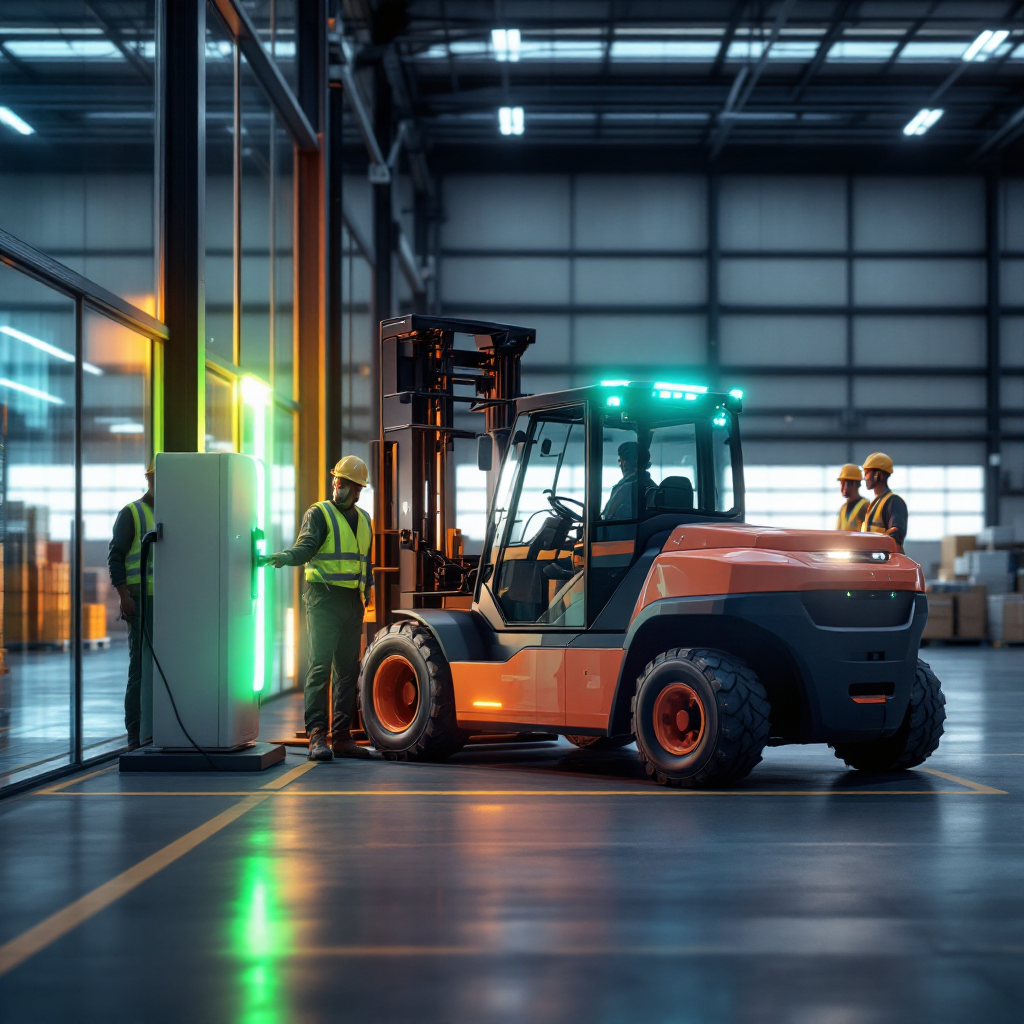
Additionally, hydrogen fuel cell prototypes appear as manufacturers test longer ranges and faster refuelling. Industry commentary has described the research into hydrogen and fuel cells as part of the push to reduce carbon footprints in port and terminal operations hydrogen fuel cell exploration. Battery technology and charger networks improve quickly. Charging stations, smart chargers, and depot management software allow yards to schedule charge windows so units return to service without disrupting shifts.
As yards move to low-emission models, managers must plan for new infrastructure. They need to consider charger placement, battery storage, and safety protocols. Also, incentives and grants encourage trials of EV and fuel cell units in specific regions. For example, North America leads adoption and investment patterns, which affects procurement decisions for many operators North America market outlook. Finally, integrating EV data into fleet monitoring systems helps managers predict consumption and certify uptime.
Optimize Beyond Your Best Day
Most AI copies the past. Loadmaster.ai uses Reinforcement Learning to simulate millions of scenarios, delivering higher crane productivity and fewer rehandles without needing historical data.
Learn how StowAI, StackAI, and JobAI superpower your terminal →
rent, uptime and deliver Operational advantage
Choosing to buy or rent terminal tractors affects operational budgets and uptime. Buying a latest generation machine delivers long-term capital ownership and full customisation. Yet rental models provide flexibility when demand spikes. Short-term and seasonal peaks make rental appealing for many logistics teams. Rental and terminal tractor rentals let operators add capacity quickly, then return units when volume falls.
Rental agreements also often include maintenance and service support. Therefore, technicians handle scheduled maintenance and emergency repairs. This arrangement keeps uptime high. For instance, a rental contract may guarantee rapid on-site service that prevents long idle periods. Consequently, yards operate smoothly and continue to deliver cargo on time.
Teams can route repair requests, attach telematics data, and get guided replies inside email systems. As a result, a manager spends less time chasing status and more time optimising flows. This digital approach drives productivity and helps certify that rented units remain fit for duty.
Furthermore, telematics and remote monitoring allow both owners and rental providers to track consumption, fault codes, and service intervals. Thus, fleet managers can plan replacement parts and schedule maintenance windows with minimal disruption. The advantage is clear: rentals reduce capital outlay while preserving high availability. At the same time, purchases give long-term control over configuration and lifecycle costs.
redesign for Future-proof Terminal Tractor Use
Future terminal tractors will blend autonomy, alternative fuels, and advanced telematics. Designers already experiment with automatic control, remote operation, and hybrid powertrains. Hydrogen fuel cells and battery technologies will coexist as yards choose the best fit for their duty cycles. Also, developers are working on autonomous spotter systems that can operate inside fenced yards with geofenced control.
Planners should consider a few strategic moves. First, create an equipment roadmap that accounts for technology replacement cycles and potential redesign of yard layout. Second, invest in telematics and monitoring to collect the data needed for predictive maintenance and route optimisation. Third, explore flexible procurement models that include rental or lease options to adapt to changing cargo patterns.
For automation research, look to digital twin and sequencing tools that simulate yard behaviour and crane interactions. These models let managers test changes without disturbing operations and help to predict yard density under stress digital twin technology in port and terminal operations. In addition, container-stacking optimisation links directly to how terminal tractors move trailers, which further reduces unnecessary moves optimising yard operations.
Finally, planners should certify that any redesign supports driver safety, telematics interoperability, and easy integration with WMS and TOS systems. The creator of the terminal tractor introduced the concept decades ago, and innovations since the terminal tractor in 1958 have steadily improved safety and performance. By planning for alternative fuels, autonomy, and digital control, yards can redesign around resilient operations that deliver continued productivity and lower lifecycle consumption.
FAQ
What is a terminal tractor?
A terminal tractor is a specialised vehicle used to move trailers and containers within confined areas such as yards and ports. It features a reinforced chassis and a fifth-wheel designed for rapid coupling and efficient short-haul movements.
How does a shunt truck differ from a spotter truck?
A shunt truck typically refers to the unit that moves trailers within a yard while a spotter truck focuses on precise positioning at docks or cranes. Both aim to reduce trailer idle time and improve flow in distribution centres.
Why consider rental instead of purchase for yard equipment?
Rental provides flexibility for seasonal demand and short-term projects and often includes maintenance support to maximise uptime. It lets managers add capacity quickly without long procurement cycles.
Are electric terminal tractors reliable for heavy-duty yard work?
Yes, several EV manufacturers report extensive field mileage, showing that battery-powered units can handle demanding duty cycles. Case studies demonstrate that EVs reduce onsite emissions and lower noise levels.
What maintenance is typical for terminal tractors?
Maintenance includes scheduled checks of the chassis, fifth-wheel, engine or electric motor, brakes, and telematics systems. Preventive maintenance reduces unexpected downtime and extends the unit’s working life.
Can terminal tractors be automated?
Autonomy for yard operations is under active development with trials of remote and automatic control systems. Safety protocols and geofenced areas are critical for deployment in live yards.
How do telematics and monitoring improve yard operations?
Telematics collect usage, fault codes, and consumption data, enabling predictive maintenance and better scheduling. Monitoring helps managers plan shifts and reduce idle time by tracking each unit’s status.
What role does the cab design play in safety?
An ergonomic cab improves visibility and reduces driver fatigue, making operations safer and more efficient. Cab layout and glass area directly affect spotting accuracy and operator comfort.
How do yards prepare for hydrogen or battery infrastructure?
Yards plan charger placement, battery storage, and refuelling protocols, and they often apply for incentives to offset capital costs. They also train staff on new safety and handling practices associated with alternative fuels.
Where can I learn more about optimising yard operations?
Explore resources on container stacking, yard AI, and digital twin technologies to see how sequencing, density prediction, and simulation tools reduce moves and improve throughput. Useful articles include materials on container stacking strategies and yard AI for container terminals.
Loadmaster.ai — Reinforcement Learning AI agents for Container Terminals. Book a demo to see our digital twin in action.