
port congestion: causes and consequences
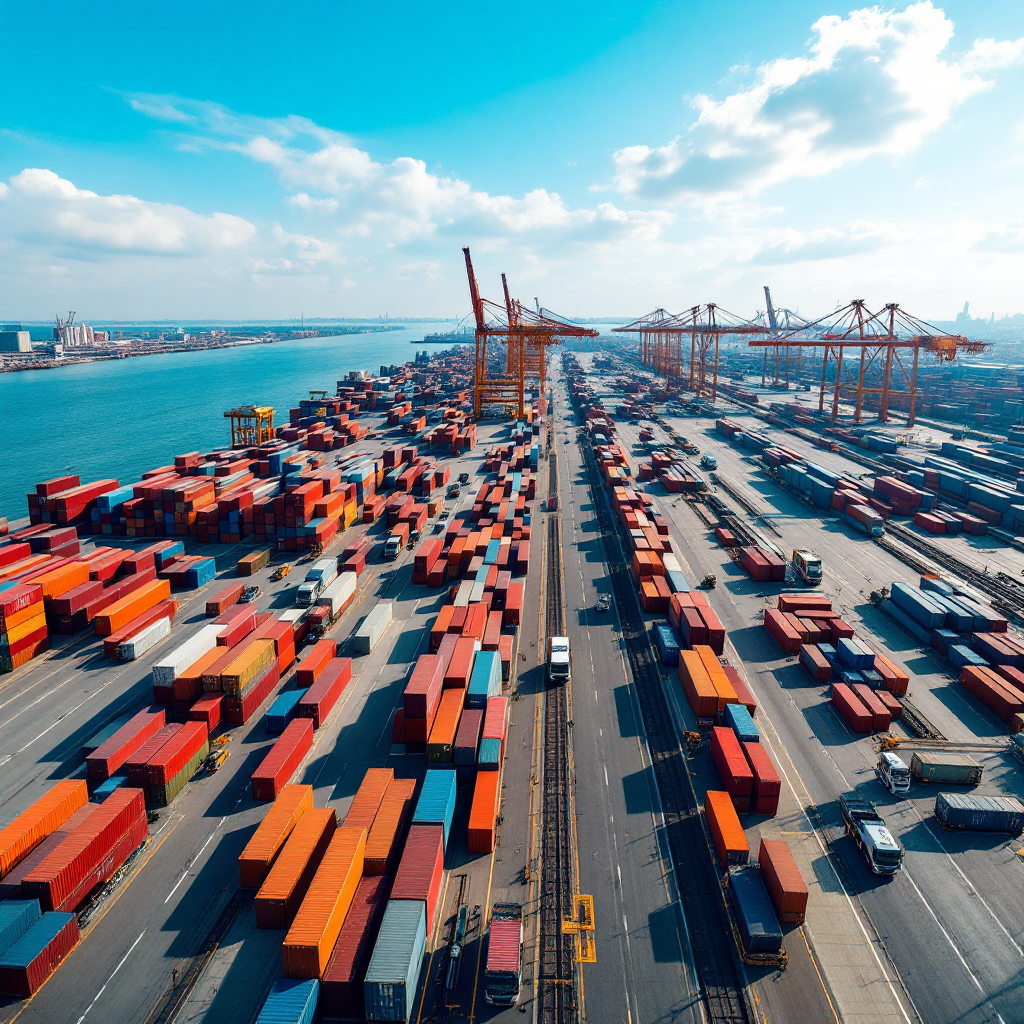
Port congestion occurs when vessel calls and container moves exceed available yard space and handling capacity. It happens at specific port complexes and at dry port hubs. When this happens the yard fills. As a result berth slots slip. Consequently vessel stay and container dwell time rise. This increases operational costs and lengthens supply chain timelines. Port congestion represents an operational state that can disrupt operations, increase fuel use, and create knock-on delays for road and rail links. For example, satellite analysis has shown that some major container ports hit congestion rates above 30% during peaks terminal congestion analysis using satellite and AIS. That statistic helps explain why terminal managers and port authorities pursue smarter approaches to yard planning and gate flow.
Traditional methods react to backlogs after they appear. Managers add shifts or call in extra trucks. These reactive tactics help briefly. But they often raise costs and shift, rather than remove, the underlying bottlenecks. Therefore operators must move from reactive to proactive thinking. Using predictive approaches helps ports adjust operations before they hit critical capacity. The difference appears in shorter vessel stay and reduced delays. Studies suggest that predictive tools can significantly reduce vessel stay time by anticipating pile-ups before they form predictive analysis for optimizing port operations. This matters for port performance and for global trade, because smoother port operations lower overall lead times and help freight providers meet deadlines.
Causes of congestion include irregular arrival patterns, limited yard space, equipment shortages and peak clusters of port calls. These factors combine with external disruptions such as weather and labor constraints to create complex patterns. Arrival times that cluster cause long truck queues. These queues raise average gate processing time and increase delay risk. In fact, irregular truck arrivals are linked to a 15–25% fall in logistics efficiency in some studies data-driven model for truck arrival patterns. To reduce this effect ports must improve yard planning and berth allocation, and also coordinate with hinterland partners. For more on arrival coordination and reducing gate backups see material on reducing yard and gate congestion using haulier arrival predictions reducing yard and gate congestion using haulier arrival predictions in deepsea container ports.
Finally, technology can reduce port congestion. It can also improve visibility, speed decision-making, and provide congestion insights that guide staffing and equipment deployment. Port capacity is finite. Smart use of data and tools helps to expand effective capacity without expensive construction. Overall port resilience strengthens when operators combine measurement, planning, and aligned incentives across the logistics chain.
predictive analytics in port operations
Predictive analytics uses historical records and current sensors to forecast where and when yards will tighten. In practice ports apply predictive, machine learning and artificial intelligence techniques to yard planning, gate flow and berth allocation. These approaches turn AIS feeds, terminal log data and truck appointment records into actionable forecasts. Predictive models then signal whether a specific yard block will reach capacity within hours or days. Terminals that use predictive analytics can optimize container stacking and resource allocation well ahead of critical points.
Research shows that using these methods can significantly reduce vessel stay time and cut delay. One study reports reductions of up to 20% in vessel stay time after introducing predictive tools Predictive Analysis for Optimizing Port Operations. Other work highlights better dwell time predictions when models include weather and economic indicators, improving planning by around 18% container dwell time predictive modelling. These figures matter because even modest time savings compound across daily port calls and across a shipping season.
Tools integrate with existing port systems. They sit alongside TOS and management systems, and they feed recommended actions into terminal operations and into operator dashboards. For example, AI-driven container relocation systems suggest rearranging stacks to free lanes, and optimization engines recommend which crane to assign to which bay. Such integration helps automate routine choices and keeps human supervisors focused on exceptions. To explore scenario-based planning, operators can examine digital replica tools for terminal planning digital replica of terminal operations for scenario simulation. These systems support better allocation of equipment and clearer operational decisions.
Predictive analytics also supports predictive maintenance and energy management systems by flagging likely equipment failures or high power draws before they escalate. That capability reduces unexpected crane downtime and prevents some congestion triggers. In short, predictively driven ports tend to operate with fewer surprises, lower cost per TEU, and steadier throughput. For terminal managers who want to optimize port performance this path offers practical gains and measurable ROI.
Drowning in a full terminal with replans, exceptions and last-minute changes?
Discover what AI-driven planning can do for your terminal
vessel arrival and port traffic data in supply chain models
Accurate vessel arrival and port traffic inputs are the backbone of effective predictive systems. Data sources include AIS feeds, satellite imagery, truck appointment systems and internal TOS logs. AIS provides vessel position and estimated arrival times. Satellite imagery gives visual verification of vessel queues and yard density. Truck appointment records reveal patterns in hinterland flows. Together these sources give a clearer picture of port traffic and of where capacity pressures will concentrate.
Irregular arrival patterns contribute to inefficiency. When many trucks or vessels arrive in a short window, yard planners face higher handling peaks. Study results indicate that such irregularity can cause a 15–25% decline in logistics efficiency if unaddressed data‑driven model for truck arrivals. Predictive systems smooth operations by forecasting peak windows and recommending staggered appointments or adjusted quay schedules. These recommendations help smooth operations and reduce unnecessary dwell time at the gate.
Exogenous factors matter too. Weather, port strikes, and macroeconomic signals change demand quickly. Models that include economic indicators and weather inputs improve forecast accuracy, because they capture drivers that alter port calls and cargo arrival patterns. For instance, ports that incorporate such external inputs in their predictive models observe better alignment between scheduled movements and actual throughput container dwell time predictive modelling. That alignment reduces unexpected stacking and minimizes rehandling.
Supply chain partners benefit when ports share congestion data and arrival times with carriers and shippers. Real-time feeds reduce uncertainty and let carriers reroute or delay departures where sensible. Port systems that publish clear forecasts also help terminal operators and port authorities coordinate for smoother gate processing. This keeps the supply chain moving and helps the entire logistics network adapt to short-term shocks.
automation in terminal operations to optimize improving port efficiency
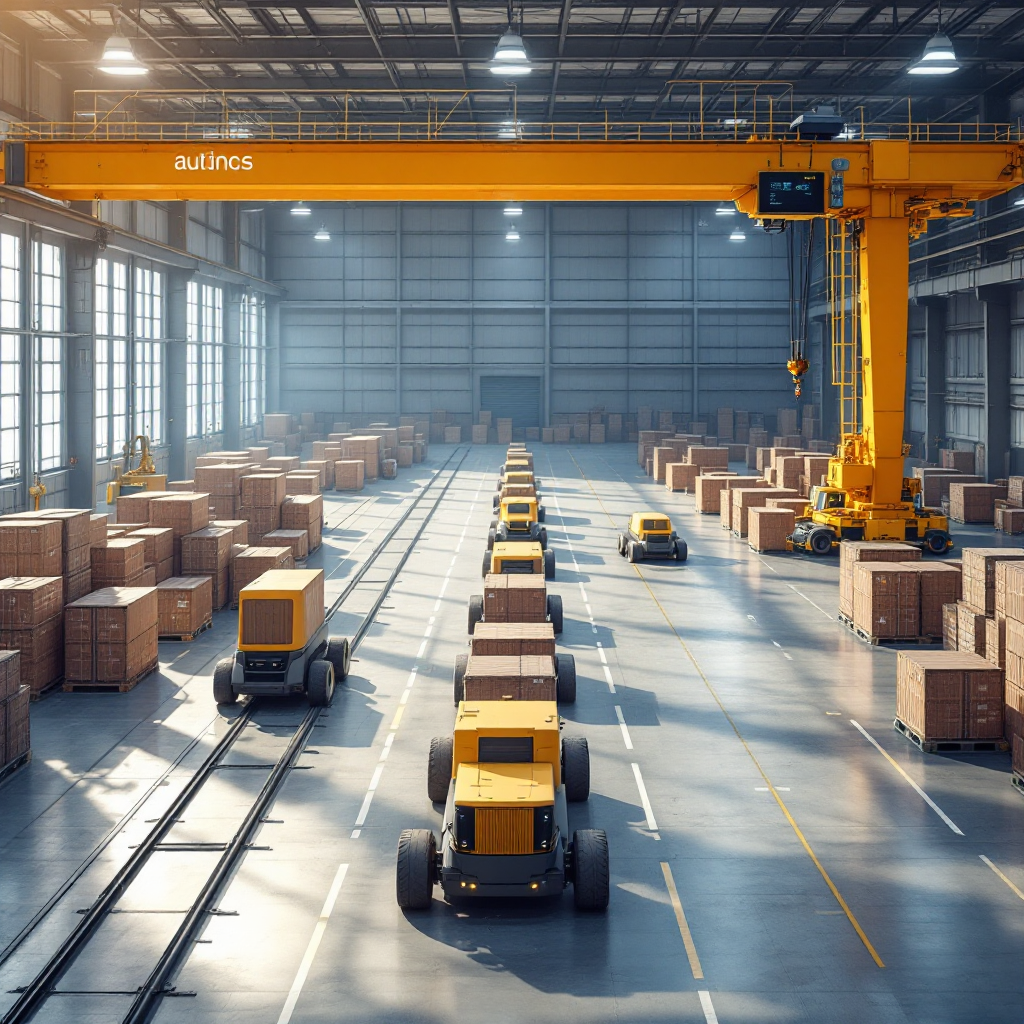
Automation in terminals ranges from semi-automated yard cranes to fully autonomous guided vehicles. These systems, paired with sensor networks, speed repetitive tasks and reduce human error. Automated equipment performs loading and unloading with consistent cycles. As a result crane productivity rises and container handling times fall. Optimization algorithms then assign slots and deploy assets in real time to match predicted peaks. In practice this cuts gate queues, shortens truck turn times, and improves throughput.
Automated guided vehicles and RTG automation help free labor for complex tasks. They also enable more compact yard planning because machines can work reliably in tighter spaces. Optimization models evaluate stack density and recommend container relocations that reduce future rehandling. That reduces unnecessary moves and lowers fuel and emission footprints. Ports that combine automation with predictive scheduling often see measurable gains in efficiency of port operations and in yard utilization.
Examples show clear benefits. When quay cranes and yard cranes coordinate via optimization, berths clear faster and vessel delay drops. Terminal operators use optimization to sequence crane tasks and to prioritize high-turn cargo. Those choices reduce dwell time and reduce the number of simultaneous moves needed. For more on crane scheduling and yard coordination see AI-driven quay crane scheduling and yard optimization resources AI-driven quay crane scheduling and yard optimization. Also, container terminal productivity improvements often come from combined hardware and software upgrades rather than from hardware alone container terminal productivity improvement strategies.
Automation also supports predictive maintenance and energy management. Sensors feed condition data into models that predict likely failures. That reduces unexpected crane downtime and prevents congestion triggers. When terminals automate routine email workflows and exception alerts, staff spend less time on triage and more time on planning. This kind of automation aligns communications with operational action and helps ports run as an efficient port that responds before backlogs form.
Drowning in a full terminal with replans, exceptions and last-minute changes?
Discover what AI-driven planning can do for your terminal
reducing port congestion with predictive scheduling
Predictive scheduling ties forecasts to concrete actions. It shifts vessel berthing, truck appointments and crane assignments to reduce peak overlaps. When forecasts show rising congestion levels, port planners can delay non-critical moves or reassign resources to critical berths. This practice minimizes delay and reduces costs tied to extended vessel stay. Predictive scheduling also supports peak smoothing by staggering truck windows and by suggesting alternate loading and unloading operations.
Such scheduling requires accurate congestion insights and fast execution. Real-time feeds and predictive models work together. Models estimate yard fill rates and predict when a block will reach capacity. Then scheduling engines recommend slot swaps or shift changes. The result is fewer last-minute moves and more predictable gate flow. Studies back this up, showing significant reductions in vessel stay time after terminals adopt predictive scheduling and related tools predictive analysis for optimizing port operations.
Cost savings come from reduced idle berth hours and from lower demurrage charges. Operators also see lower truck waiting times. For best results, rollouts use phased pilots, clear KPIs, and staff training so everyone understands why schedules change. Rollouts should embed information management and clear escalation paths so shift supervisors can adjust operations accordingly. To learn about how stowage and yard planning integrate with schedules, consult material on integrating stowage and yard planning in port operations integrating stowage and yard planning in port operations.
Predictive scheduling can also reduce emissions by minimizing idle times for ships and trucks. Fewer delays mean fewer hours of engine idling and lower fuel burn. When terminals adopt these approaches and when port operators coordinate with carriers they create an efficient port ecosystem. That helps maintain port capacity and supports broader supply chain management goals.
various port case studies in logistics and supply chain integration
Case studies from across the globe show how predictive techniques improve outcomes. Specific port examples range from major hubs like the port of rotterdam to regional terminals and to long beach facilities. In Rotterdam, digital tools and coordinated scheduling have helped reduce stacking and improve gate throughput, providing a model of how technology supports port efficiency. In Long Beach, targeted investments in automation and information sharing have cut truck dwell and improved berth utilization reducing driving distances in container port operations. These cases show that coordinated action across carriers, port authorities and terminal operators matters.
Comparisons indicate consistent benefits. Terminals that adopt predictive models and optimization report fewer delays, lower rehandling, and improved port efficiency. For example, some terminals experienced reductions in vessel stay of up to 20% after deploying AI and predictive scheduling tools predictive analysis for optimizing port operations. Other terminals saw dwell time forecasts improve by nearly 18% when exogenous inputs were included container dwell time predictive modelling. Those numbers underline the value of analytics paired with operational changes.
Lessons learned include the need for data quality, cross-stakeholder alignment, and gradual deployment. Successful programs start with specific goals, such as reducing gate delay or improving berth allocation, and then scale to larger programs. They also pair technology with process changes to avoid shifting bottlenecks. For more focused decision support tools that terminals can use to improve outcomes see container terminal decision support systems container terminal decision support systems. Finally, operators should recognize that implementing predictive analytics is part of a larger shift in logistics and port operations. It improves port performance, reduces exposure to disruptions, and supports sustainable growth in global trade.
FAQ
What causes port congestion?
Port congestion is caused by clustered vessel calls, irregular truck arrivals, limited yard space, equipment shortages and external factors such as weather. These issues combine to exceed handling capacity and lengthen vessel stay and gate processing.
How do predictive analytics help reduce delays?
Predictive analytics use historical data and live feeds to forecast yard occupancy and likely bottlenecks. With forecasts, terminals can reschedule moves, change berth allocation, and reduce delay before it occurs.
Which data sources feed predictive models?
Models use AIS feeds, satellite imagery, truck appointment systems and TOS logs. These sources provide position, yard density, arrival times and handling records that improve forecast accuracy.
Can automation replace human operators in terminals?
Automation handles repetitive tasks and improves consistency, but human oversight remains crucial for exception handling and strategic decisions. Automation and staff together create the best results.
What are typical efficiency gains from predictive scheduling?
Terminals have reported vessel stay reductions of up to 20% and notable improvements in dwell time forecasts. Results vary, but pilots often show measurable gains in throughput and lower demurrage costs.
How important is data sharing across the supply chain?
Data sharing reduces uncertainty and aligns actions among carriers, hauliers and port authorities. Clear communication and shared forecasts smooth operations and lower the chance that isolated actions cause bottlenecks.
Do predictive models factor in weather and economic indicators?
Yes. Including exogenous factors like weather and macroeconomic indicators improves forecast accuracy and helps terminals adapt to disruptions. Models that exclude these inputs miss key drivers of port traffic.
What role do port authorities play in congestion management?
Port authorities coordinate capacity planning, set gate rules, and often lead investments in infrastructure and management systems. Their policies influence gate windows, berth allocation and longer term port capacity.
How can small terminals start with predictive analytics?
Begin with a focused use case such as gate appointment smoothing or berth allocation. Use clear KPIs, run pilots, and then scale tools that prove value. Many resources explain smart port approaches for mid-sized terminals smart port solutions for mid-sized inland container terminals.
Tools that automate operational emails and incident workflows reduce manual triage and accelerate response times. They help teams act on predictive alerts faster and with full context, improving yard planning and reducing avoidable delay.
our products
 stowAI
 stackAI
 jobAI
jobAI
Innovates vessel planning. Faster rotation time of ships, increased flexibility towards shipping lines and customers.
Build the stack in the most efficient way. Increase moves per hour by reducing shifters and increase crane efficiency.
Get the most out of your equipment. Increase moves per hour by minimising waste and delays.
stowAI
Innovates vessel planning. Faster rotation time of ships, increased flexibility towards shipping lines and customers.
stackAI
Build the stack in the most efficient way. Increase moves per hour by reducing shifters and increase crane efficiency.
jobAI
Get the most out of your equipment. Increase moves per hour by minimising waste and delays.