
Literature Review of Container Terminal Efficiency
In this literature review we define an inland container terminal as a logistics node that links MARITIME CONTAINER TERMINALS and hinterland transport. An inland node receives containers from container ships at a port and moves them by rail, truck, or inland waterway into a storage yard or onward in the supply chain. The role of a container terminal spans storage, staging, and transshipment. It influences port performance, berth turnaround, and the flow of global container trade.
Key performance metrics include storage density, terminal throughput, container dwell time and handling cost. Practitioners and researchers track storage space allocation, yard utilization and container handling time to measure terminal performance. Storage density gains and efficient container storage location assignments reduce truck turns and lower berth congestion. Studies report grounded stacking can boost storage density by as much as 40–60% by stacking three to five high (source). That change alters yard layout and the yard template in container operations, and improves terminal capacity.
Research also links advanced systems to throughput improvements. Implementation of a Terminal Operating System and related decision support tools has shown throughput gains of 15–25% by optimizing container flows and reducing idle equipment time (source). Meanwhile, better yard management and multimodal links can cut container dwell times by roughly 20% (source). Together, these effects reduce handling costs by around 10–15% and lift terminal performance overall (source).
Several authors emphasize operational discipline. Dr. Le Griffin notes that “Terminal operators will need to improve their capacity while avoiding higher handling costs” and recommends technology and better yard management to solve the problem (source). Thus the literature review highlights both systems and physical layout changes. Hence the combined focus on software, equipment types, and yard design appears central to improving the efficiency of container terminals and to increasing container throughput and terminal performance.
Implementing Terminal Operating System for Better Container Management
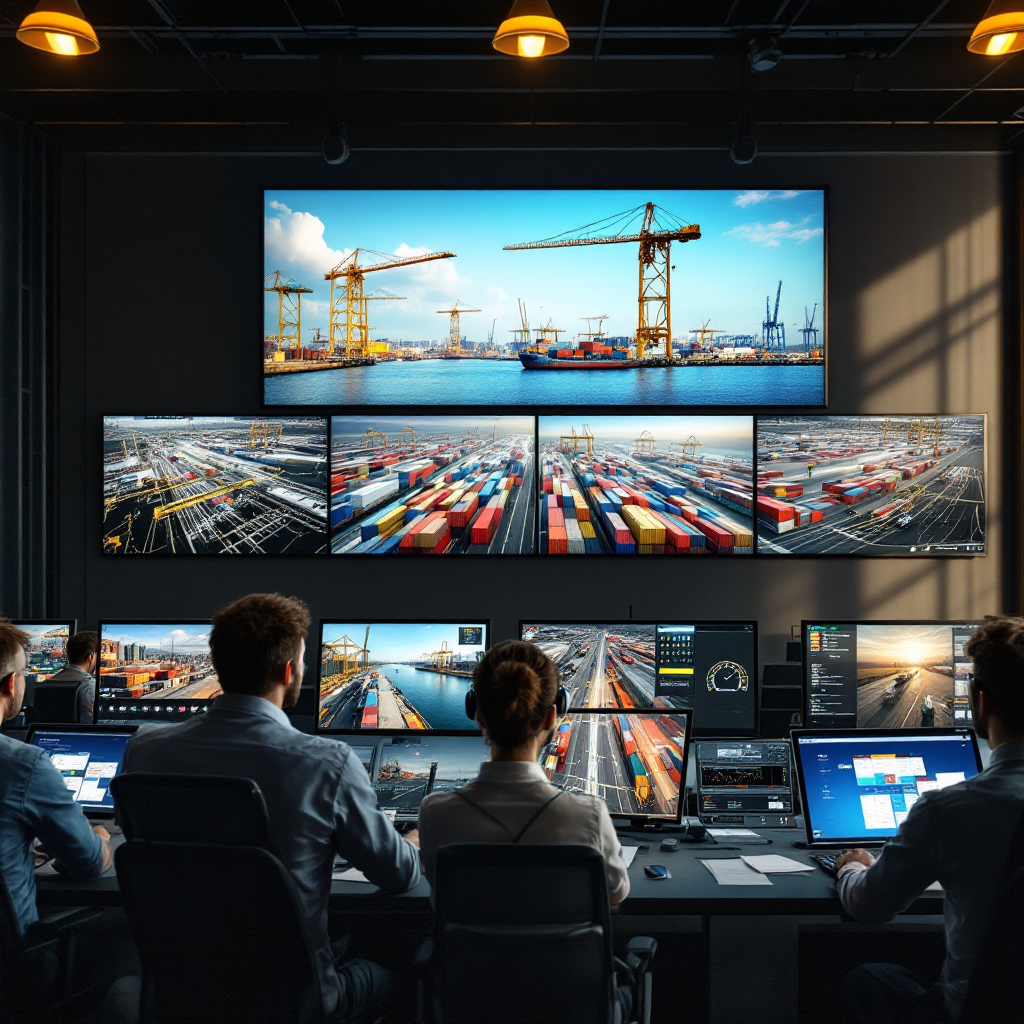
Terminal operators deploy a terminal operating system to drive real-time allocation of yard blocks, crane scheduling and container allocation. A terminal operating system connects gate modules, yard cranes, truck appointment systems and multimodal interfaces to ensure coordinated terminal operation. It also supports container location assignment and container storage space allocation so that containers in the yard move efficiently to vessel, rail or truck. The result is fewer unnecessary moves and faster container handling time.
Real-time scheduling reduces delays. For example, TOS modules that manage quay and yard tasks have been linked to throughput improvements between 15% and 25% as they balance equipment allocation and yard crane deployment (source). Integration with gate systems and truck appointment platforms also reduces dwell time and yard congestion. For practical guidance on integrating stowage and yard planning, see the piece on integrating stowage and yard planning in port operations which explains how coordination across planning layers improves terminal performance integrating stowage and yard planning.
Terminal operation teams can use TOS features for dynamic crane scheduling and equipment allocation. These functions lower container reshuffling and reduce container moves per lift. A TOS also enables better container allocation rules: for example, grouping by destination, size and weight to cut handling distances. Terminal operators gain visibility for containers bound for rail or for container trains, so rail-mounted gantry cranes and gantry cranes coordinate with yard cranes effectively. In practice, terminal operators see both lower gate queues and improved yard utilization.
By automating email workflows and surfacing TOS alerts to the right operator, AI agents help maintain alignment between dispatcher intent and the TOS. This reduces errors, speeds notifications and helps sustain the operational improvements that a terminal operating system delivers. For a deeper look at terminal decision tools and scenario simulation, review container terminal decision support systems and digital replicas for scenario simulation decision support systems and digital replica of terminal operations.
Drowning in a full terminal with replans, exceptions and last-minute changes?
Discover what AI-driven planning can do for your terminal
Container Terminal Operations and Container Yard Layout Strategies
Container terminal operations hinge on yard layout and container stacking policies. Grounded stacking increases storage density and reduces the footprint needed for containers in the yard. Stacking containers three to five high can increase storage density by roughly 40–60% depending on layout and equipment types (source). That change affects the yard template, yard block design and the rules for container storage location.
Good yard layout divides the storage yard into zones by container type and destination. Zoning reduces handling distances, cuts yard crane moves and lowers truck turns. For example, a zone for export full containers near the gate shortens truck trips and speeds outbound processing. Similarly, an inbound zone near rail transfer points eases transfer to container trains. The terminal layout and the yard layout should consider berth schedules and the typical mix of container sizes, including 20ft and 40ft units.
Optimization techniques include row alignment, lane widths, and stacking policies that take crane reach and RTG mobility into account. A layout-driven reduction in unproductive moves reduces container handling time and also reduces yard congestion. To optimize yard operations further, terminals can adopt a flexible yard approach with dynamic storage space allocation. This increases yard utilization while limiting container reshuffling and lowering overall handling costs.
Designing storage blocks requires close coordination between planner and operator. Crane scheduling and yard crane deployment must align with the yard template. That alignment reduces the number of lifts per container and improves crane productivity. For targeted techniques on reducing driving distances within a container port, consult the analysis on reducing driving distances in container port operations, which offers practical examples for layout changes and truck routing reducing driving distances.
Optimize Container Terminal Flows to Eliminate Bottleneck
Identify the single most limiting resource to improve terminal performance. In many terminals the gate, the rail interface, or a narrow yard lane forms the bottleneck. To remove friction, map flows across processes and observe where containers queue. Use flow simulation to test changes. Then apply dynamic resource allocation so equipment and operators shift where demand rises.
Flow simulation can expose imbalances that human schedules miss. A simulated scenario will reveal peaks at the gate, surges of export containers, and periods of yard congestion. Simulation lets teams test alternative terminal layouts, crane scheduling rules, and truck appointment windows before they change the yard. Digital replica tools and emulation software support this work; see deepsea container port emulation software for planning and predictive analytics for yard congestion for examples of scenario testing emulation software and predictive analytics.
Use key performance indicators to monitor results. Track moves per hour, truck turn time, container dwell time and yard utilization. Adjust equipment allocation and crane scheduling in short cycles. For example, if a yard block reaches high density, reassign yard cranes to nearby blocks to prevent long lifts. If gate queues grow, add temporary staff and adjust truck appointment slots.
Also integrate data sources so that the TOS and operator teams work from the same plan. When operators receive timely, data-grounded messages, they respond faster. This reduces response time and keeps flows balanced. Finally, when a terminal uses these methods it can improve terminal throughput and avoid repeating the same bottleneck cycles.
Drowning in a full terminal with replans, exceptions and last-minute changes?
Discover what AI-driven planning can do for your terminal
Terminal Operation Excellence Through Automation and Multimodal Logistics
Automation boosts the productivity of container handling. Deploying automated guided vehicles, RTGs and automated stacking cranes reduces manual moves and increases handling speed. Industry cases show automation can improve container handling productivity by up to 30% in some terminals (source). Those gains depend on the mix of equipment types and on how well the automation integrates with the TOS.
Combine automation with multimodal connections to reduce congestion and speed container flows. A terminal that links road, rail and inland waterway reduces truck dependency and shortens container dwell times. The design of multimodal hubs is “crucial for enhancing the integration of container inland waterway transport (IWT) with other transport modes,” which improves throughput and reduces delays (source). This is especially true where inland rail services and barge schedules align with vessel windows.
Automation also improves safety and consistency. Automated systems run predictable moves and reduce human error. They make energy efficiency gains possible through smoother operations and fewer idle cycles. Terminal operators must still manage change carefully. Staff need training and planners need updated rules for equipment allocation. For crane-focused improvements, review crane productivity optimization techniques which detail strategies to increase gantry cranes and yard crane output crane productivity optimization.
Automation and multimodal logistics together ease yard congestion and lift terminal performance. They shorten container handling time, increase yard utilization and raise overall productivity. Because adoption is complex, many ports phase in automation and pair it with process reforms and better TOS integration. When done well, the combined effect is a measurable improvement in terminal throughput and in the performance of container terminals overall.
Enhancing Terminal Logistics with Complementary Container Storage Solutions
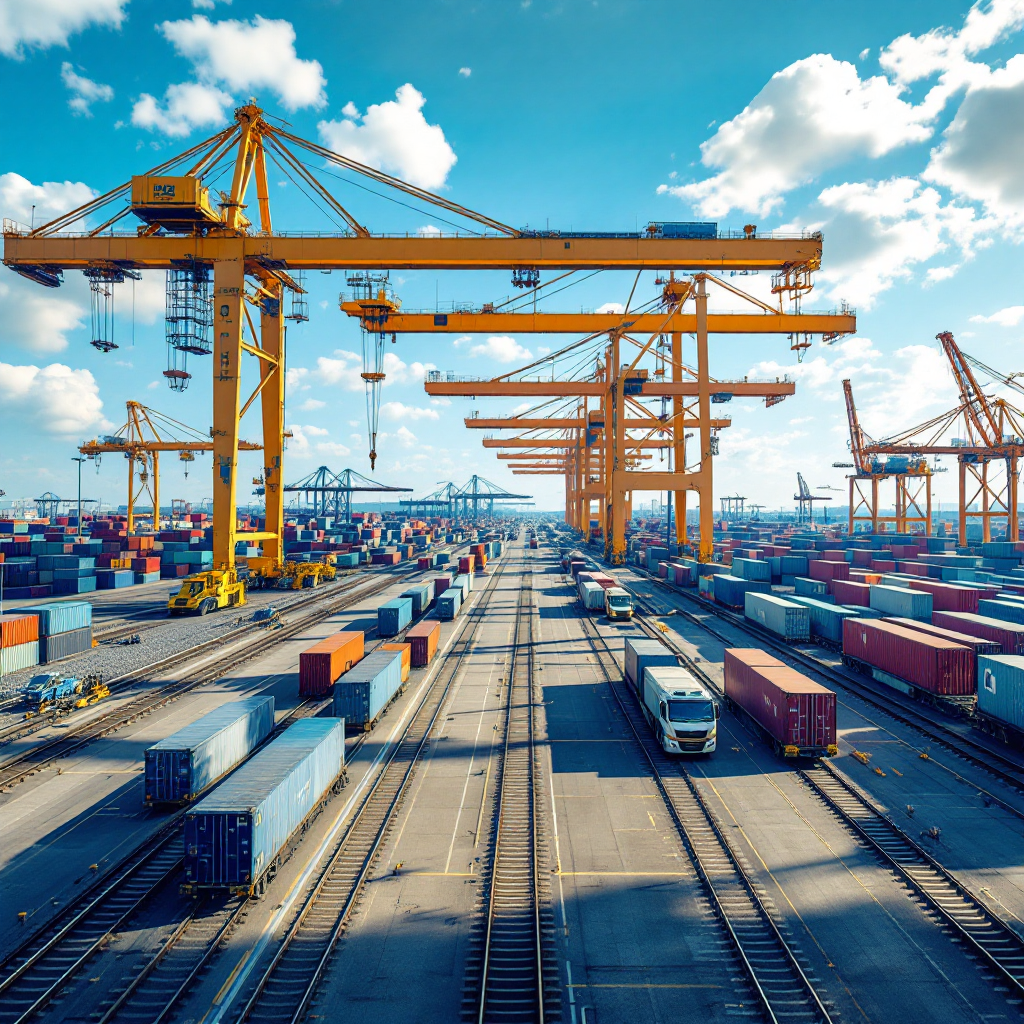
Using a container yard as complementary warehousing smooths peaks and frees gate capacity. A container yard gives temporary storage for import boxes awaiting customs or last-mile pickup. That practice reduces the pressure on fixed warehousing and on the terminal gate. Studies show that supplementing warehouses with container yards improves the viability of container storage and handling and reduces bottlenecks at the gate (source).
Flexible yard templates allow terminals to shift between high-density storage and faster throughput modes. For instance, during peak import periods a terminal may accept more grounded stacking and use a flexible yard plan to increase storage yard capacity. In quieter periods the yard can prioritize quick pickups and lower dwell time. This switching preserves storage space and helps optimize container allocation across blocks.
Operationally, complementary container storage improves cash flow and reduces detention. Shippers benefit because containers can clear customs while remaining near transport links. Terminal operators benefit because gate-house congestion decreases and yard block congestion eases. To control costs, apply rules for container storage duration and fees. Transparent rules encourage hauliers to collect containers promptly and to use appointment systems.
Technology supports these models. AI agents can classify incoming requests, find the correct container location, draft replies and push structured updates back into the TOS or into WMS records. That automation reduces handling time and keeps terminal logistics aligned. For more on real-time yard strategies and empty repositioning, see real-time container terminal yard optimization strategies and optimizing empty container repositioning in inland container terminals real-time yard optimization and empty container repositioning.
FAQ
What is a container terminal and how does it differ from a port terminal?
A container terminal is a facility where containers are transferred between different transport modes, stored, and staged for onward movement. A port terminal sits at the maritime interface and often includes berths for container ships, whereas a container terminal can be inland and focus on container storage and rail or truck transfers.
How much can grounded stacking increase storage density?
Grounded stacking, where containers are stacked three to five high, can increase storage density by roughly 40–60% depending on yard configuration and equipment types (source). The exact gain depends on layout, yard crane reach and safety rules.
What role does a terminal operating system play in improving throughput?
A terminal operating system schedules equipment, assigns container locations and integrates gate and rail interfaces to reduce idle time. Studies attribute throughput improvements of 15–25% to advanced TOS functions that optimize container flow (source).
Can automation really increase productivity by 30%?
Yes, in some implementations automation yields up to a 30% productivity gain for container handling by reducing manual moves and improving predictability (source). Actual gains vary with equipment mix, layout and process integration.
How do multimodal hubs reduce terminal congestion?
Multimodal hubs connect road, rail and inland waterways so containers can move via the fastest mode for a given route. This shift reduces truck trips and gate queues, and it shortens container dwell times when schedules align with rail or barge services (source).
What is the single most common bottleneck in container terminals?
The most common bottleneck appears at the gate where trucks queue, or at the rail interface during concentrated rail windows. Identifying that bottleneck requires flow mapping and KPIs so teams can reallocate equipment and staff dynamically.
How can terminals use container yards as temporary warehousing?
Terminals designate yard blocks for short-term storage, apply clear rules for duration, and use appointment systems to manage pickups. This approach smooths inbound peaks and reduces pressure on seaport container warehouses (source).
What internal tools help planners test layout changes?
Digital replica and emulation tools let planners simulate terminal layouts, crane scheduling rules and truck appointment strategies before they implement them. These tools show how changes affect terminal throughput and yard congestion, and they reduce the chance of unintended consequences.
How does better email automation help terminal operations?
Automating the email lifecycle reduces manual triage, speeds notifications, and ensures the right operator receives context-rich alerts. This frees staff for higher-value planning work and improves response time for gate exceptions and equipment faults.
Where can I read more about crane and yard optimization techniques?
Further reading includes targeted studies and practical guides on crane productivity and RTG job prioritization, as well as case studies on integrating stowage and yard planning. See resources on crane productivity optimization and RTG job prioritization for detailed tactics crane techniques and RTG job prioritization.
our products
 stowAI
 stackAI
 jobAI
jobAI
Innovates vessel planning. Faster rotation time of ships, increased flexibility towards shipping lines and customers.
Build the stack in the most efficient way. Increase moves per hour by reducing shifters and increase crane efficiency.
Get the most out of your equipment. Increase moves per hour by minimising waste and delays.
stowAI
Innovates vessel planning. Faster rotation time of ships, increased flexibility towards shipping lines and customers.
stackAI
Build the stack in the most efficient way. Increase moves per hour by reducing shifters and increase crane efficiency.
jobAI
Get the most out of your equipment. Increase moves per hour by minimising waste and delays.