
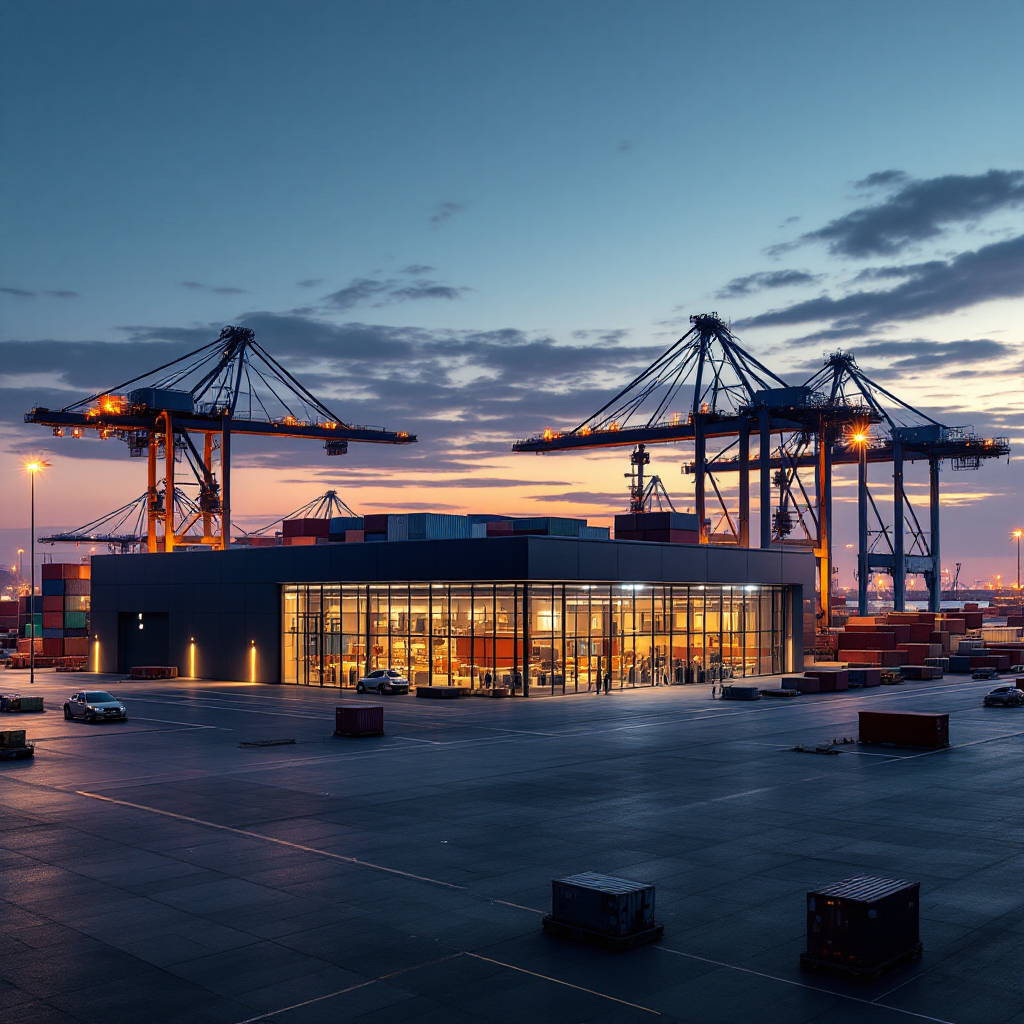
digital twin and AI in port facilities: an overview
The digital twin concept creates a rich digital model that mirrors physical port systems. For ports, a digital model links sensors, control systems, and operational databases to a live virtual replica. This replica helps teams see what is happening in real time and test choices safely. Also, artificial intelligence (AI) brings data-driven insight to that replica. AI ingests telemetry and event streams, learns patterns, and then suggests actions. For example, AI can forecast yard congestion and recommend re-stows or crane reassignments.
First, sensors and IoT feed port facilities with frequent status updates. Then, systems fuse that telemetry into dashboards and analytics engines. In many terminals, the port community system shares manifest and slot info, which helps the digital shadow reflect true flows. A report on smart port development explains how connected systems form the backbone of a smart ecosystem Smart Port Development – ESCAP. Also, industry writing highlights the role of AI and digital twins in logistics planning and autonomy AI in Logistics 2026: AI, Autonomy & Digital Twins – The Intellify.
Next, stakeholders use the digital twin to test schedules, to validate layouts, and to simulate equipment failures. In the field of port operations, that approach reduces risk before crews change the real yard. Also, the digital twin provides a shared view for port authorities and terminal teams. It supports port management decisions. A system that combines machine learning with live telemetry can cut downtime and improve container throughput. For more on simulation and scenario planning, see a practical resource on digital replica scenario simulation digital replica of terminal operations for scenario simulation.
Finally, this chapter sets the stage for deeper automation. In short, creating a digital shadow plus integrating AI yields faster, more informed decision-making across the port community. Also, the approach supports digital transformation for ports and the development of digital twins that map to real operations.
smart port and port automation in modern container terminals
The smart port concept ties infrastructure, systems, and people into a coordinated ecosystem. First, smart port technologies include automated cranes, AGVs, yard robots, and integrated terminal operating systems. Also, these technologies reduce manual handoffs. They cut errors and improve cycle times. A growing market fuels this shift. Recent market analysis projects strong growth in port infrastructure driven by automation and digitalization Port Infrastructure Market Size, Share & Trends | Report [2032].
Next, port automation improves throughput and predictability. Automated quay cranes and yard equipment operate with high repeatability. Then, AI-driven scheduling optimizes crane sequences and minimizes idle time. For terminal teams, that means higher crane productivity and fewer bottlenecks. For more on crane productivity and practical techniques, review the guide to crane productivity optimization crane productivity optimization techniques in port operations. Also, automation supports safer workflows and better use of space inside the terminal.
Then, smart digital ports link data from container handling equipment to operational planning tools. Also, developers create systems and digital interfaces that let planners reroute moves in minutes. The ROI for automation appears in reduced labor peaks and faster ship turnaround. For example, AI-enhanced systems can reduce handling times by up to 20% and cut equipment downtime by 15–25% according to field studies A decision support system for maintaining a resilient port. Furthermore, modern container terminals gain value when automated subsystems share a common digital model.
Finally, port stakeholders must plan for integration. Also, they should phase investments to unlock early benefits. For advice on yard optimization and live scheduling, see resources on real-time container terminal yard optimization real-time container terminal yard optimization strategies. In short, smart port and port automation make terminals faster, more consistent, and more predictable.
Drowning in a full terminal with replans, exceptions and last-minute changes?
Discover what AI-driven planning can do for your terminal
AI-driven optimisation in container terminal operations
AI-driven optimisation uses machine learning and predictive analytics to improve container terminal decisions. First, machine learning models learn from historical moves, equipment logs, and gate data. Then, models predict dwell time, likely congestion, and equipment failures. Also, they rank moves to minimize repositioning and to maximize throughput. Planners use those predictions in short-term scheduling and in longer-term capacity planning.
Next, decision-support tools automate repetitive tasks. That automation reduces triage time for operations staff and keeps schedules aligned with live events. In practice, teams reduce handling time per email from roughly 4.5 minutes to about 1.5 minutes. This gain frees planners to focus on higher-value optimization and on port performance.
Also, AI models drive specific improvements in container handling and yard efficiency. For example, supervised learning can classify incoming loads and assign priority. Reinforcement learning can sequence quay crane tasks to reduce ship time. Predictive analytics helps gate teams prepare for peaks and lowers average truck wait. Field research reports measurable gains: shorter handling times and improved container throughput when AI augments planning engines AI-Enhanced Smart Maritime Logistics: Spotlighting Port ….
Then, terminals adopt decision-support interfaces for resource allocation. These tools offer “what-if” scenarios and recommend staffing or equipment shifts. Also, they combine berth planning with yard slots to reduce double handling. For planners who need practical methods, there are guides on container terminal decision support systems and yard congestion analytics container terminal decision support systems and predictive analytics for port operations yard congestion. Finally, integrating AI with operations brings higher throughput and steadier port productivity.
digital twin enhances resilience in terminal operations
Simulations in a digital twin help terminals prepare for disruption. First, operators run scenarios for equipment failures, worker shortages, and extreme weather. Then, they measure the impact on container throughput and on ship schedules. Also, the digital twin provides a safe space for testing contingency plans. For example, a simulated RTG outage lets teams rehearse re-planning without risking the live yard. A study on resilience and sustainability shows how a digital twin aids contingency analysis and strategic planning Digital Twin for resilience and sustainability assessment of port facility.
Next, predictive maintenance emerges as a core benefit. Machine learning flags degrading components before they fail. Also, combining sensor streams with maintenance logs reduces unplanned downtime by 15–25% in some settings. The digital shadow collects vibration, temperature, and cycle counts. Then, predictive models schedule maintenance windows at low-impact times. This approach preserves throughput and reduces emergency repairs.
Also, a case study from an inland container terminal highlights resilience gains. The terminal combined a digital twin application with AI models to forecast peak truck arrivals. Then, the operator adjusted gate staffing and reallocated yard cranes. As a result, average truck turnaround fell and berth productivity rose. For planning layers and scenario emulation, see work on deepsea container port emulation and terminal planning tools deepsea container port emulation software for planning. Furthermore, developing a digital twin helped the site run stress tests on workflows and on port equipment layouts.
Finally, the process supports port resilience and sustainability at the same time. Also, teams can test low-carbon operating modes and measure trade-offs. Overall, towards a digital twin that captures the full terminal means faster recovery from incidents and steadier port performance.
Drowning in a full terminal with replans, exceptions and last-minute changes?
Discover what AI-driven planning can do for your terminal
sustainability strategies for container terminal and port ecosystems
Sustainability is central to modern port development. First, green initiatives target energy-efficient equipment, shore power, and low-emission handling. Also, AI and digital twin technology help quantify emissions and guide reductions. For example, digital decarbonization workflows run simulated shift plans that minimize diesel engine idling. Then, planners adopt electric yard tractors and optimize charging schedules to flatten demand peaks.
Next, the digital twin provides measurable signals for sustainability reporting. The model aggregates fuel use, power draw, and equipment cycles. Also, teams can estimate carbon per move. A framework that links energy use to container handling and to berth time helps port authorities report progress. For guidance on cutting emissions in ports, see practical resources on reducing carbon footprint in container ports reducing carbon footprint in container ports.
Then, a sustainable port balances throughput with lower emissions. AI recommends move sequences and power states for cranes that reduce peak loads. Also, predictive models improve shift patterns to avoid overtime and to reduce fuel burn. Key sustainability metrics include CO2 per TEU, energy per move, and idle time per vehicle. Port management and port stakeholders use those metrics in scorecards and in regulatory reports.
Finally, reporting frameworks draw from the digital shadow and from systems that log energy data. Also, combining the digital twin with port community feeds gives a complete environmental picture. In short, digital tools let operators trial decarbonization options before they invest in equipment. This method supports the future of port operations and the creation of digital ports of the future.
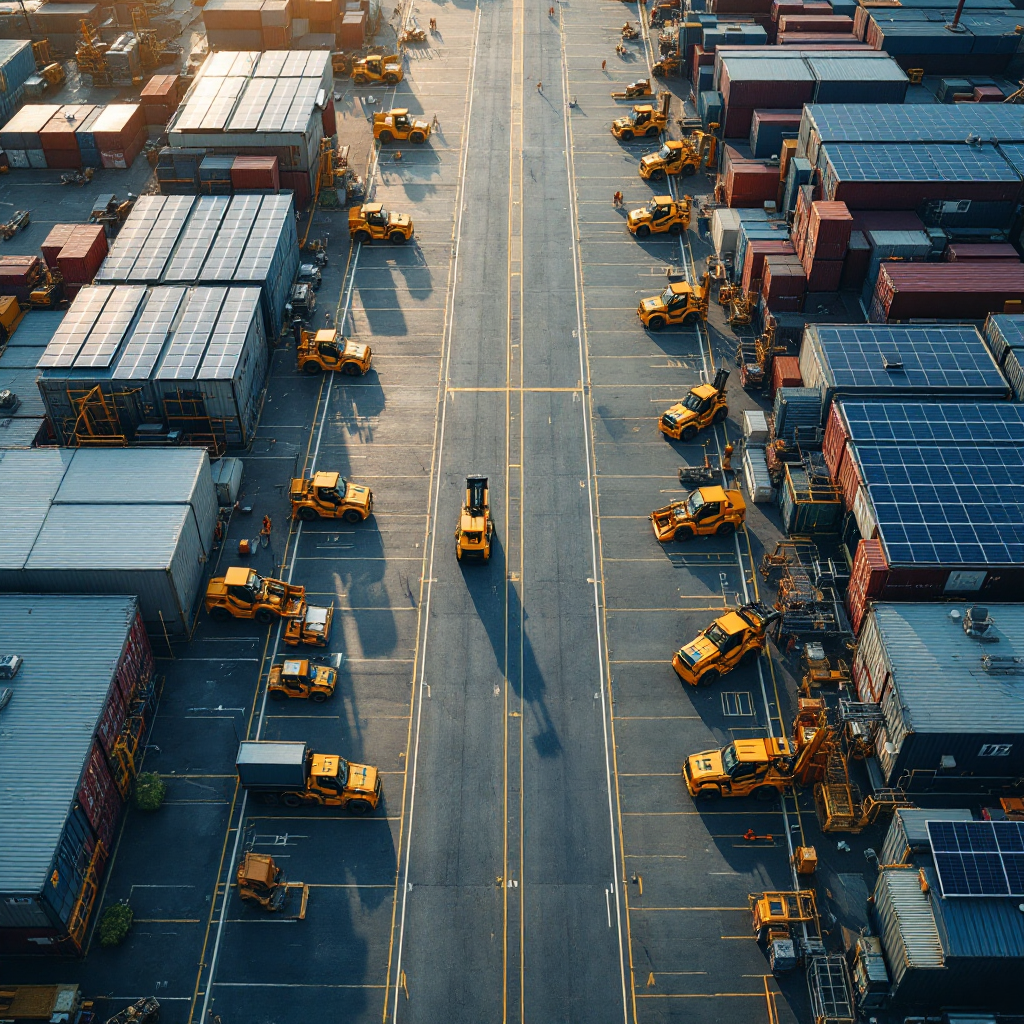
port automation and digital twin for future terminal innovation
The convergence of automation, AI, and the digital twin shapes the port of the future. First, autonomous operations will expand as networks mature. Also, edge computing and 5G connectivity speed the exchange of telemetry across the port area. Then, systems support near-real-time control of AGVs and cranes. For planners, these technologies enable new service models and flexible berth allocation.
Next, future port architectures will embed digital twin levels that range from asset twins to operational twins. Also, the components of a digital twin include a physical model, a data layer, and analytical models. Together, they allow planners to test lane layouts, to evaluate RTG job prioritization, and to confirm quay crane sequences. For examples of scheduling and yard optimization, explore AI-driven quay crane scheduling and yard tools AI-driven quay crane scheduling and yard optimization in port operations.
Then, challenges remain. Data standards, initial investment, and scaling across the port community create friction. Also, ports must prioritize incremental projects that show early returns. A study of critical success factors stresses collaboration and modular design for digital transformation for ports An Overview of Critical Success Factors for Digital Shipping Corridors. For tactical advice on vessel planning and stowage, see vessel planning optimization tools container terminal vessel planning optimization tools.
Finally, innovation in smart port environments will center on interoperability. Also, ports and container terminals that adopt open data interfaces gain flexibility. By automating data extraction and routing, port teams save time and keep operations aligned. Ultimately, integrating AI, automation, and a strong digital twin development roadmap will unlock a new era of port productivity and sustainable growth.
FAQ
What is a digital twin and how does it apply to a port?
A digital twin is a live digital model of a physical system. In a port, it mirrors equipment, yard layout, and flows so teams can simulate changes and test plans before acting.
How does AI improve container terminal operations?
AI analyses large data sets to predict congestion, to schedule cranes, and to optimize gate sequencing. It reduces manual planning and improves throughput by recommending actionable moves.
Can digital twins reduce equipment downtime?
Yes. Predictive maintenance models use sensor data to flag wear and to schedule maintenance before failures occur. This reduces emergency repairs and keeps the terminal productive.
What sustainability benefits come from using digital twins?
Digital twins let operators model energy use and emissions for different scenarios. They enable testing of electric equipment, optimized shift patterns, and charging strategies before capital spend.
Are smart port projects expensive to start?
They can require significant initial investment, especially for automation hardware. However, phased deployments and focused pilots often deliver measurable ROI in reduced handling times and labor costs.
How do digital twins support resilience planning?
They allow simulation of incidents such as equipment failure or bad weather. Teams use those simulations to rehearse responses and to identify weak points in workflows.
What role do port authorities play in digital transformation?
Port authorities coordinate standards, data sharing, and infrastructure upgrades. They often lead or enable pilots that bring private operators and technology providers together.
Can automation coexist with manual operations in a terminal?
Yes. Many terminals run hybrid models where automated systems handle repetitive moves and humans manage exceptions. This mix eases transition and keeps resilience high.
How do ports measure the success of a digital twin?
Typical measures include reductions in dwell time, fewer unplanned outages, lower CO2 per TEU, and improved container throughput. These metrics show operational and environmental gains.
Where can I learn more about practical port optimization tools?
Review vendor and research guides on quay crane scheduling, yard optimization, and scenario emulation. For practical starting points, explore resources on real-time yard optimization and decision-support systems at the links provided above.
our products
 stowAI
 stackAI
 jobAI
jobAI
Innovates vessel planning. Faster rotation time of ships, increased flexibility towards shipping lines and customers.
Build the stack in the most efficient way. Increase moves per hour by reducing shifters and increase crane efficiency.
Get the most out of your equipment. Increase moves per hour by minimising waste and delays.
stowAI
Innovates vessel planning. Faster rotation time of ships, increased flexibility towards shipping lines and customers.
stackAI
Build the stack in the most efficient way. Increase moves per hour by reducing shifters and increase crane efficiency.
jobAI
Get the most out of your equipment. Increase moves per hour by minimising waste and delays.