
terminal planning for maritime container supply chain optimization
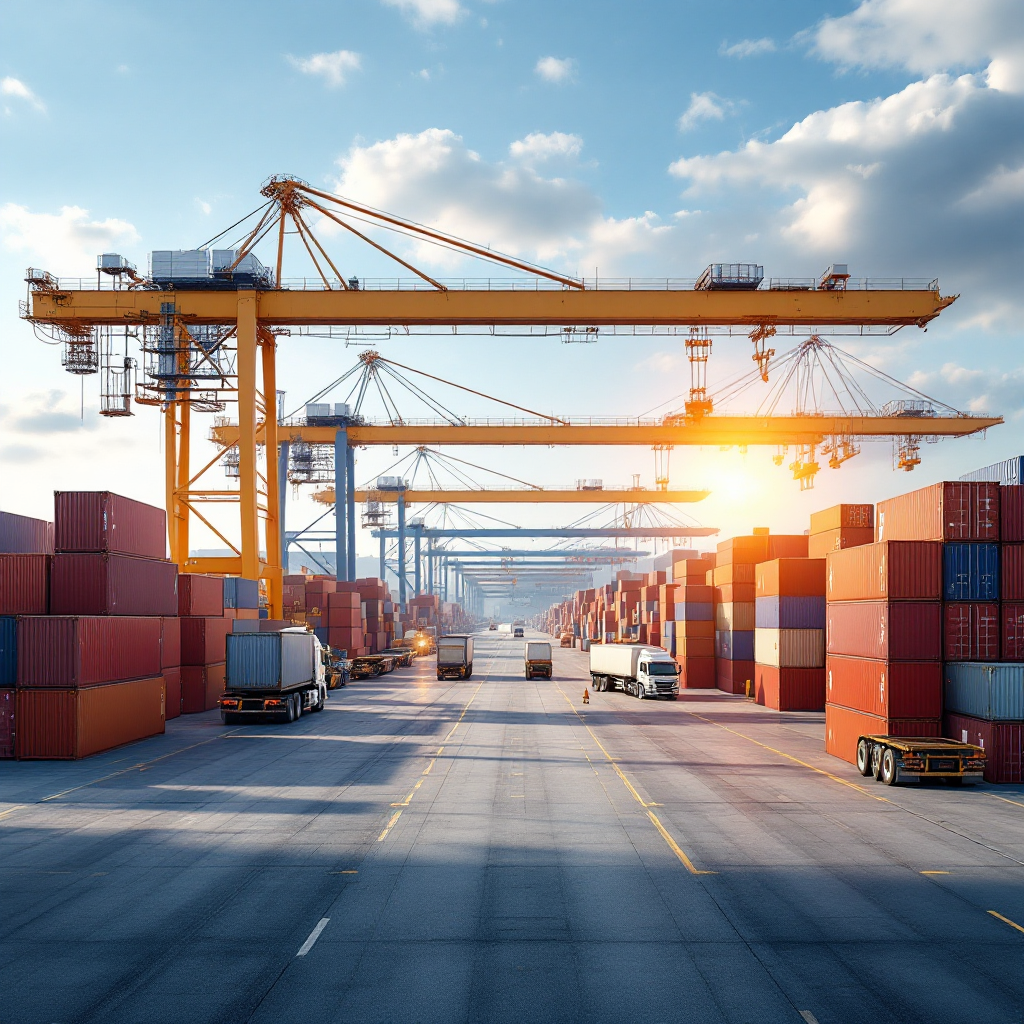
Terminal planning sits at the heart of maritime container supply chain optimization. It covers yard layout, container placement, equipment allocation and daily scheduling for the terminal. First, define an inland container terminal: it is a logistics hub that receives, stores and moves containers between ships, trucks and trains. Next, explain how the terminal links seaports to hinterland transport. The terminal acts as the connective node that keeps maritime logistics moving. As a result, good terminal planning reduces delays and lowers costs.
Key challenges arise quickly. Limited yard space forces terminals to stack containers more tightly. Also, fluctuating container flows, driven by seasonal demand and vessel schedules, complicate storage choices. Cost pressures push terminals to raise productivity without heavy capital investment. For example, studies show that terminals can improve handling time by about 20% using optimization heuristics (literature review). Therefore, terminal planners must balance throughput, cost and resilience.
The impact on maritime container logistics is direct. Poor terminal planning creates congestion at gates and quay cranes, which then cascades into port operations and inland transport. Conversely, efficient terminal planning strengthens hinterland connectivity. It enables smoother truck cycles, faster rail loading and reliable delivery windows. Additionally, terminals using digital tools can better coordinate with shipping lines and road carriers. For more on yard density and prediction techniques that inform terminal planning, see this case study on yard density prediction with machine learning yard density prediction.
Terminal operators must optimize for multiple objectives at once. They must minimize repositioning moves. They must also minimize handling and turnaround times. Importantly, terminal planning influences global trade efficiency by reducing queuing at ports and improving asset utilization across the supply chain. For practical tactics that cut internal truck travel, review approaches to minimize internal truck travel time in port operations minimizing internal truck travel time. In short, smart terminal planning supports faster container delivery, higher terminal productivity and better hinterland links.
artificial intelligence and machine learning in container terminal operations
Machine learning and other AI tools now inform many terminal decisions. They forecast congestion, predict container flows and flag likely equipment issues. For example, researchers used big data and machine learning to predict port congestion and achieved major scheduling gains; one project reported a 30% improvement in quay crane scheduling efficiency (port congestion study). Thus, machine learning models help terminals allocate resources earlier and more effectively.
Data inputs vary. Terminals ingest IoT data from sensors on cranes and trucks. They use RFID tags on containers and gate scanners. They also draw on historical data and throughput logs. Collectively, these sources let AI analyze trends in near real-time. Consequently, predictive analytics can spot bottlenecks before they form. In practice, terminals combine sensor feeds and historical throughput to create forecasts that guide daily plans.
Also, the integration of AI with terminal operating system tools improves execution. A modern TOS benefits from machine learning that suggests which stacks to move next and when to call trucks. For terminals exploring automation, see work on machine learning use cases in port operations machine learning use cases. Moreover, predictive analytics and AI reduce idle time for cranes and yard cranes. This directly improves operational efficiency and lifts productivity across the terminal.
AI models also power appointment systems for truckers and gate automation. They use historical throughput and live arrivals to smooth peaks. As a result, port operations become less volatile and more predictable. In addition, AI can track amounts of data from many sources and convert them into actionable schedules. This allows terminals to optimize container movements and better handle surges. Finally, because machine learning adapts, it helps terminals respond to changing cargo patterns and evolving maritime logistics.
Drowning in a full terminal with replans, exceptions and last-minute changes?
Discover what AI-driven planning can do for your terminal
ai algorithm and optimization strategies in port terminal operations
Heuristic and metaheuristic approaches play a core role in terminal optimization. Genetic algorithms, tabu search and simulated annealing search large solution spaces quickly. They find near-optimal plans for stacking, equipment dispatch and crane assignments. For example, applying metaheuristics has cut container handling time by around 20% in published studies (metaheuristic benefits). Therefore, algorithm-driven scheduling often beats manual planning under high complexity.
Performance metrics focus on throughput, utilization and waiting time. Terminals measure how a new algorithm affects crane cycles and yard utilization. They also track productivity per shift and energy consumption. In practice, algorithms that optimize container stacking or yard equipment deployment can produce measurable lifts in terminal productivity. For detailed strategies on deploying yard equipment and optimizing deployment, review this guide on optimizing yard equipment deployment optimizing yard equipment deployment.
Real-time decision-making is critical. Algorithms continuously re-evaluate queues and dispatch choices. They assign trucks to gates, cranes to vessels and containers to stacks based on current priorities. Thus, an algorithm can minimize unnecessary moves and lower turnaround times. When linked to the terminal operating system, the AI layer proposes changes and can even automate execution through the TOS.
Also consider hybrid models that blend optimization with machine learning. The hybrid approach uses predictive models for arrival patterns and metaheuristics for assignment problems. It then runs updates in real-time to adapt to delays or equipment failures. This reduces disruptions and empowers terminal operators to keep flow steady. Finally, planners can simulate scenarios to test how different algorithms behave under stress. This approach strengthens resilience and helps terminals optimize operations in both routine and peak periods.
application of ai in container terminal and predictive maintenance
Predictive maintenance stands out as a high-value use case. AI inspects sensor streams from cranes and straddle carriers to predict component wear. For instance, vibration and temperature analysis can detect early faults and reduce equipment downtime by up to 40% (resilience and maintenance study). Consequently, terminals see fewer unplanned outages and higher availability for critical assets.
Maintenance algorithms combine historical failure logs and real-time sensor feeds from the internet of things. They spot patterns that human technicians might miss. Then, they trigger work orders in the terminal operating system or TOS so teams can act quickly. Integration with a TOS makes the process seamless. In practice, this tight feedback loop cuts mean time to repair and saves costs.
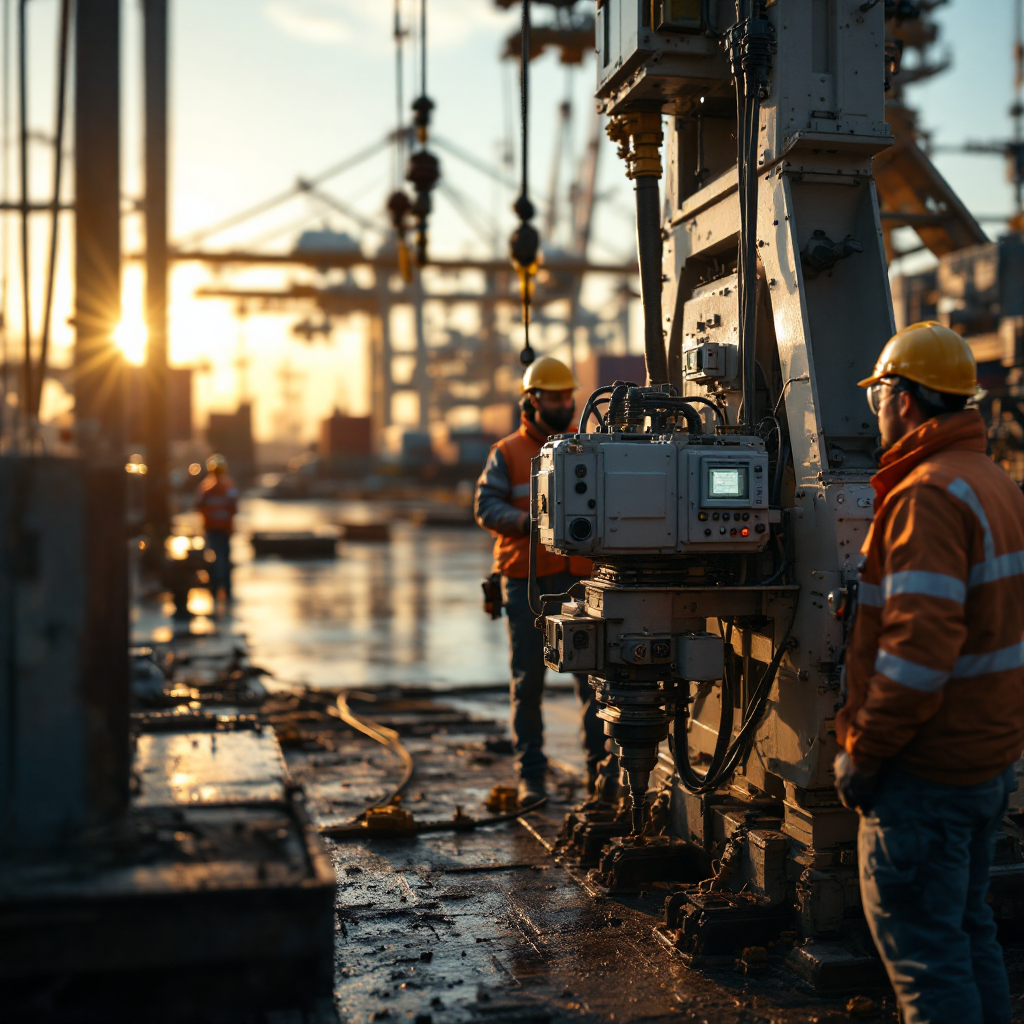
Also, predictive maintenance supports safer terminal operations. It helps avoid severe equipment failures that cause long disruptions and high repair bills. Terminals using predictive maintenance algorithms often reduce both downtime and the risk of cascading disruptions that harm supply chain links. Additionally, predictive maintenance contributes to efficiency and sustainability by extending equipment life and reducing energy waste.
Terminal planners must choose the right data. They use maintenance logs, telemetry and ambient conditions to feed models. They then prioritize repairs based on impact to operations. This approach ensures scarce maintenance crews fix the most critical problems first. Finally, terminals can automate alerts and parts ordering to accelerate repairs. Vendors and platform providers now offer AI solutions to integrate these steps. For terminals that handle refrigerated and complex cargo, predictive systems also help manage reefer container stacking and power allocation reefer stacking optimization.
Drowning in a full terminal with replans, exceptions and last-minute changes?
Discover what AI-driven planning can do for your terminal
ai and machine learning revolutionize and streamline terminal operations
AI and machine learning collectively transform how terminals plan and act. They power yard planning, truck appointment systems and gate control. For instance, joint AI & ML frameworks guide yard crane scheduling and balance workloads across equipment. They allow terminals to automate repetitive tasks while keeping humans in the loop for exceptions. As Dr. Katja Grace notes, “AI algorithms enable us to tackle problems that were previously intractable due to their combinatorial complexity” (Dr. Katja Grace). Thus, AI helps manage complexity and adapt to uncertainty.
Digital twin technology pairs well with AI. It simulates terminal behavior under different schedules and loads. In addition, blockchain can add auditable records that increase transparency across partners. These tools together let terminals adapt quickly to changing conditions and disruptions. For terminals preparing to automate, there are clear case studies on automated container handling and job prioritization for AGVs AGV job prioritization.
Their AI agents automate email triage, route queries to the right teams and push structured events into ERP and TMS systems. This reduces human bottlenecks and helps terminal operators stay focused on execution rather than inbox triage. As a result, decision-making processes across the terminal improve and handoffs become clearer. In sum, the use of AI and machine learning streamlines operational data flows, automates routine tasks and enhances overall terminal decision-making.
future of ai in terminal planning and supply chain optimization
The future will emphasize hybrid approaches that combine AI, digital twin technology and distributed ledgers. These systems will work together to optimize container placement and resource schedules. They will also enable terminals to better anticipate demand and respond in near real-time. For terminals that want to optimize container movements, integrated models will forecast arrivals and recommend moves to minimize handling.
Challenges remain. Data quality and interoperability with legacy terminal operating system platforms often slow adoption. Terminals must invest in clean data and robust integrations. In addition, real-time adaptability requires streaming data architectures and fast decision loops. To address these hurdles, many terminals take phased implementations. They start with targeted pilots, such as yard planning or predictive maintenance, and then extend to full terminal management. For guidance on replanning under changing conditions, see practical methods for real-time container terminal replanning real-time replanning strategies.
Looking ahead, AI will help terminals be more sustainable and resilient. It will reduce idle equipment and lower energy consumption through smarter scheduling. It will also reduce disruption from equipment failures by improving predictive maintenance. Finally, as terminals adopt AI technologies, they will keep humans as supervisors and exception handlers. This balanced approach will optimize operations while preserving safety and accountability. Therefore, the future of AI in container terminal planning points to more sustainable, responsive and efficient inland terminal networks.
FAQ
What is inland container terminal planning?
Inland container terminal planning is the process of organizing container storage, equipment and transport at inland logistics hubs. It covers yard layout, scheduling and coordination with seaports and hinterland carriers to ensure smooth container movements.
How does AI improve crane scheduling?
AI improves crane scheduling by predicting arrival patterns and optimizing task sequences to reduce idle time. For example, machine learning models have produced reported improvements in quay crane scheduling and overall workflow coordination (port congestion study).
Can AI reduce equipment downtime?
Yes. Predictive maintenance algorithms analyze sensor data such as vibration and temperature to detect early faults and schedule repairs. Studies suggest predictive maintenance can cut downtime by up to 40% in some scenarios (maintenance study).
What data do AI models need for terminal planning?
AI models leverage IoT sensor feeds, RFID tag reads, gate logs and historical data. They also use operational data from ERP, TMS and the terminal operating system to build accurate forecasts and recommendations.
How do algorithms help optimize yard utilization?
Algorithms like genetic algorithms and tabu search find efficient container stacking and retrieval sequences to reduce moves. These optimization methods can lower container handling time and raise yard utilization metrics (literature review).
Are digital twins useful for terminals?
Yes. Digital twin technology simulates terminal behavior and allows planners to test schedules before they run live. Combined with AI, digital twins help terminals adapt to disruptions and evaluate trade-offs under different scenarios.
How can small terminals start with AI?
Start with targeted pilots such as predictive maintenance or yard planning to show quick wins. Then integrate models with the TOS and scale to other functions as data quality and confidence grow.
What role does automation play alongside AI?
Automation executes routines that AI recommends, such as gate checks or work order creation. Together, automation and AI help automate repetitive tasks while human staff handle exceptions and strategic decisions.
How does AI help reduce disruptions in the supply chain?
AI improves forecasting and predictive analytics to anticipate bottlenecks so terminals can act proactively. Research shows AI-driven measures can reduce operational disruptions significantly, helping maintain continuity across the supply chain (resilience study).
Where can I learn more about practical AI applications for terminals?
Explore case studies on machine learning use cases and yard equipment deployment to see implementations and outcomes. For hands-on guides, check resources on machine learning use cases in port operations and optimizing yard equipment deployment machine learning use cases, optimizing yard equipment deployment.
our products
 stowAI
 stackAI
 jobAI
jobAI
Innovates vessel planning. Faster rotation time of ships, increased flexibility towards shipping lines and customers.
Build the stack in the most efficient way. Increase moves per hour by reducing shifters and increase crane efficiency.
Get the most out of your equipment. Increase moves per hour by minimising waste and delays.
stowAI
Innovates vessel planning. Faster rotation time of ships, increased flexibility towards shipping lines and customers.
stackAI
Build the stack in the most efficient way. Increase moves per hour by reducing shifters and increase crane efficiency.
jobAI
Get the most out of your equipment. Increase moves per hour by minimising waste and delays.