
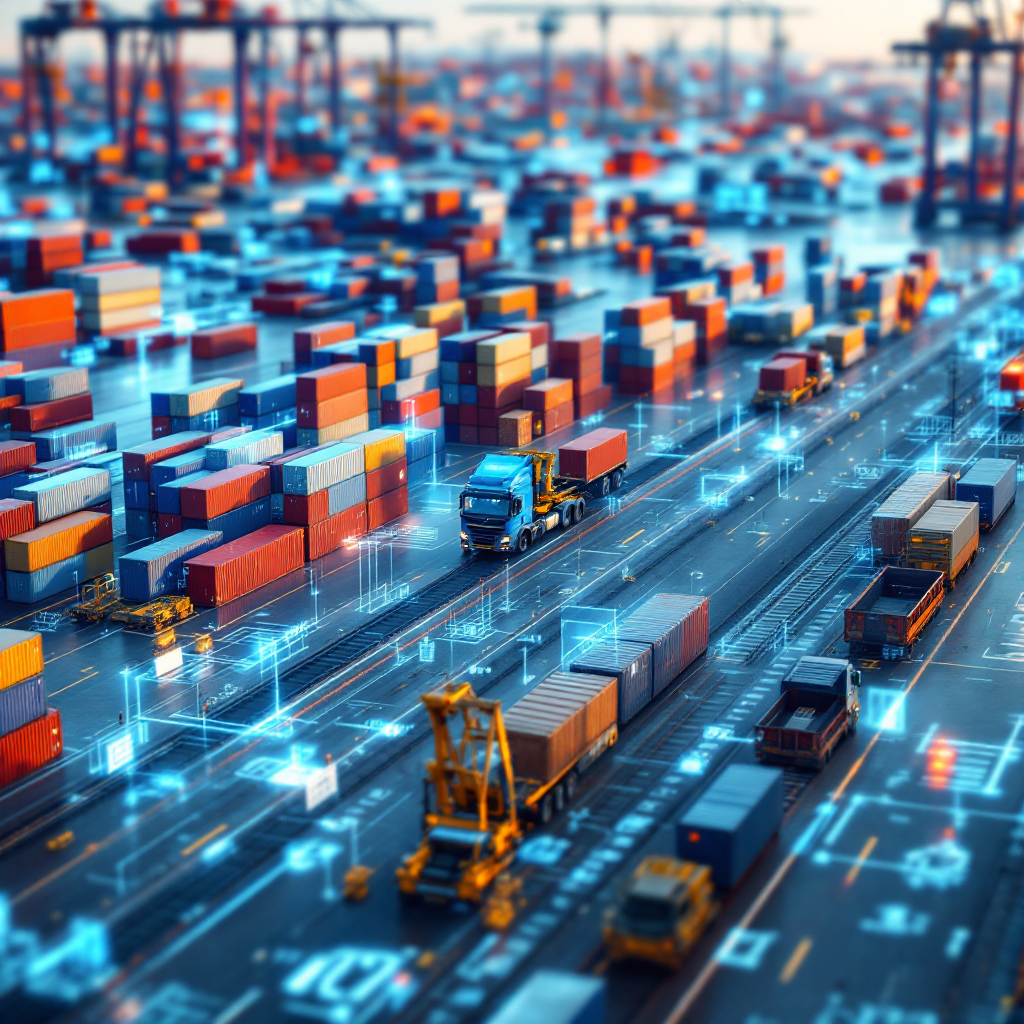
ai in Modal Shift Prediction for Port Yard Capacity
Modal shifts move containers between road, rail and inland waterways, and they drive how a container yard fills and empties. They change arrival patterns, and they change storage needs. Predicting these shifts helps port planners avoid congestion and reduce dwell time. Deep analysis of historical data, carrier schedules and hinterland flows makes this possible. AI processes large datasets to spot patterns that humans miss. For example, AI systems can fuse shipping line schedules with freight train timetables and truck booking feeds to forecast mode choice within hours or days.
AI analyses historical transport data, weather signals and economic indicators. It also looks at booking lead times and terminal gate throughput. Then AI-powered predictive models estimate modal shifts and arrival times. These outputs improve decision-making for yard allocation and resource planning. The UNECE SWTRACK guidance shows that integrating AI with multi-modal tracking can raise data reliability by over 30% Integrated Track and Trace for Multi-Modal Transportation – UNECE. That boost directly increases prediction accuracy and helps ports plan stacking and crane moves more precisely.
use AI to combine weather disruptions, carrier delays and economic signals. Then adjust yard plans before peaks build. This reduces congestion and improves throughput. Trials in the wider maritime sector show up to 20% lower container dwell times when predictive strategies run in tandem with operational controls Most Innovative Companies in Maritime 2025 – Thetius. The result includes faster vessel service and fewer yard bottlenecks. Port operators gain a clearer view of yard utilization and can allocate stacks and equipment earlier.
AI models and machine learning models can run continuously. They react to new arrivals, and they trigger reallocation rules. This capability makes yard planning adaptive and data-driven. Historical data feeds are crucial here. At the same time, integrating ai requires careful linking of legacy systems to modern data streams. For practical help with terminal KPIs and yard layout strategies, readers can consult a detailed approach to container terminal KPIs optimization with AI.
digital twin Simulations for Yard Space Management
Digital twin models create a virtual replica of the yard. They simulate stacking, crane moves and truck flows. Then simulation scenarios test stress cases such as peak vessel arrivals or rail disruption. Real-time IoT and tracking feeds update the twin so the virtual yard matches reality. Sensors on cranes and automated guided vehicles stream position and status to the model. This flow allows simulation outcomes to guide live allocation decisions.
Digital twin and simulation run many scenarios quickly. They reveal how small changes cascade into major bottlenecks. Planners run what-if tests for stacking strategies and container stacking patterns. They test reroutes, and they simulate how automated cranes will reshuffle stacks. Digital twin outcomes feed into yard planning and operational dashboards. Those dashboards then advise gate scheduling, crane assignments and yard slot allocation.
Real-world trials and advanced systems demonstrate potential. Avikus’ HiNAS and HD Hyundai’s OCEANWISE trials show how advanced AI and route optimization reduce uncertainties for upstream scheduling Most Innovative Companies in Maritime 2025 – Thetius. Digital twin use also integrates with port management tools and terminal operations in a modern port. For readers who want to optimize equipment placement and deployment, there are practical guides on optimizing yard equipment deployment in deepsea container ports.
Simulated stress tests include peak cargo arrivals and simultaneous vessel calls. They also include equipment failures and gate congestion. Then planners tune automated guided vehicles and crane cycles to meet targets. The twin supports predictive maintenance by identifying stress on components before failure. This supports ai-driven predictive maintenance solutions and lowers the chance of sudden disruption. The digital twin ties into management systems and into a port’s data systems so that decision-making becomes continuous and responsive.
Drowning in a full terminal with replans, exceptions and last-minute changes?
Discover what AI-driven planning can do for your terminal
port traffic Forecasting and Its Impact on Yard Operations
Port traffic varies daily and seasonally. Peaks cluster around vessel schedules, factory cycles and holiday surges. Forecasting identifies those patterns and flags anomalies. Methods include time-series forecasting and anomaly detection. AI and machine learning techniques improve short-term forecasts for gate arrivals and truck queues. Accurate port traffic forecasts let port operators reduce idle time, and they let terminal teams open or close lanes proactively.
The global AI market context helps show scale and momentum. Analysts project a large AI market value that reflects increasing ai adoption across industries. For shipping and logistics, the data point is stark: the projected AI market value and user growth underline the incentive for ports to modernize 20 Mind-Blowing AI Statistics Everyone Must Know About Now – Forbes. Port traffic forecasts translate into better gate slot allocation, smoother quay operations and fewer stacking conflicts. They also feed into berth call optimization and vessel planning efforts.
Forecast outputs connect directly to yard slot allocation and gate scheduling. Planners use prediction accuracy to reserve lanes and to pre-assign slots for arriving train-trailer pairs. This cuts gate dwell and reduces yard moves that add cost. AI models can also signal when to deploy automated guided vehicles to pre-stage containers for quick handover. To learn about strategies for real-time replanning under changes, see practical techniques for real-time container terminal replanning strategies.
AI contributes to operational efficiency by smoothing flows and by lowering emissions. Better scheduling reduces truck idling and shortens yard travel. This reduces emission and improves throughput. Forecasted peaks trigger staffing changes, and they trigger resource allocation so that terminal equipment meets demand. The combination of prediction and automation makes yard operations more reliable and less costly.
optimization Techniques in Container Yard Planning
Optimization algorithms guide how to place containers so the yard works faster. Algorithms include linear programming, genetic search and reinforcement learning. Deep reinforcement learning can learn policies that balance short moves against long-term throughput. These methods improve container stacking and allocation so that cranes and trucks spend less time idle. AI algorithms help boards of planners test layout changes and see projected gains.
Static layouts limit flexibility and often cause unnecessary moves. AI-optimised layouts adapt stacks based on predicted modal shifts and expected arrival times. Dynamic yard allocation keeps high-priority boxes near gates, and it stages export containers by vessel. This approach increases throughput and cuts equipment wear. A study of automation and future port operations frames these gains and the broader automation trends for terminals Transport 2040: Automation, Technology, Employment – safety4sea.
Optimization also links to cost. AI-driven approaches reduce crane idle time and shorten truck turn times. Planners then measure ROI from faster turnarounds and lower labor cost per TEU. The application of ai in yard planning requires well-structured data and good integration of ai into existing terminal operations. Implemented AI must feed into management systems, and it must respect legacy systems where needed. For practical examples of machine learning use cases in port operations, a guide to machine learning use cases in port operations is useful.
Optimization combines several techniques. It uses learning algorithms, and it applies linear solvers for constrained problems. Then it layers reinforcement policies for schedule execution. The learning approach adapts to changing conditions and reduces dwell. Decision-making becomes proactive, and it improves safety while lowering bottleneck risk.
Drowning in a full terminal with replans, exceptions and last-minute changes?
Discover what AI-driven planning can do for your terminal
logistics Coordination for Intermodal Modal Shifts
Hinterland networks include road, rail and inland waterways. Mapping those networks lets AI forecast realistic modal choices. AI enables ports and terminals to synchronize schedules between carriers, terminals and hinterland operators. It also helps shipping lines and rail operators align windows so that transfers happen on time. When schedules match, the yard avoids backlog and throughput rises.
Data integration is central. AI needs booking data from shipping lines, train manifests from rail operators and customs clearance status. Then AI models combine those feeds to suggest dispatch times and to flag missing documents. This reduces manual lookups and email threading for operations teams. They extract intent and route messages to the right team. The result is fewer delays from missing information and faster coordination between stakeholders.
The ESCAP smart port report states that predictive analytics let teams “reduce bottlenecks” and manage yards proactively Smart Port Development – ESCAP. AI contributes by recommending synchronised arrival windows, and by suggesting reroutes when disruption occurs. This role is essential when a train cancellation forces a modal shift to truck, or when a barge delay makes a stack hold longer than planned.
Coordination improves customs clearance, and it reduces dwell and paperwork delays. AI systems also feed into route planning and into predictive maintenance scheduling for port equipment. By integrating AI with carrier APIs and with terminal management, ports can better align resources. This coordination reduces emission from unnecessary moves. It also supports strategic planning for terminal expansions and for risk management across the supply chain.
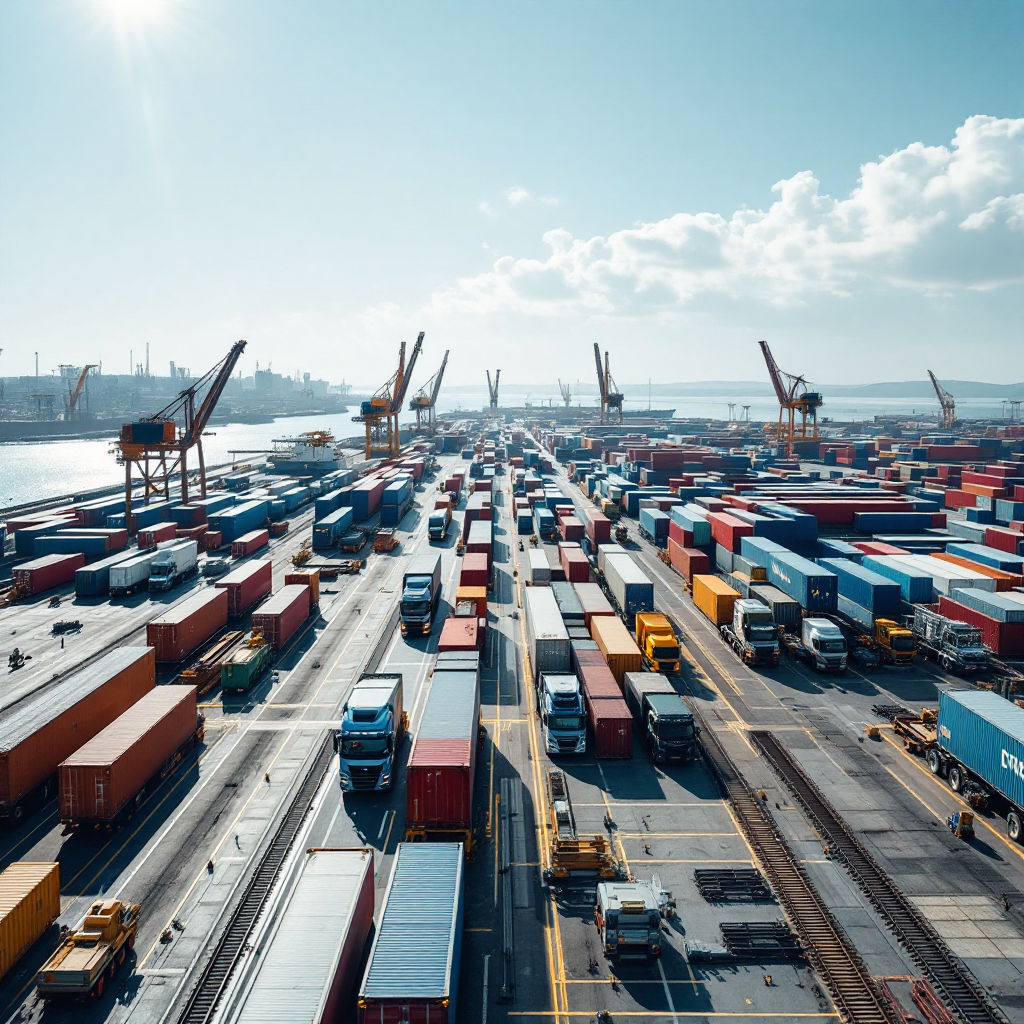
automation Solutions for Dynamic Yard Allocation
Automation uses cranes, automated guided vehicles and sensors to execute yard plans. Automated stacking cranes and guided vehicles move containers to match AI schedules. Rule-based dispatch systems issue fixed orders, and AI-driven dispatch adapts to current conditions. The difference matters. Rule-based systems follow a plan. AI systems revise the plan when arrivals change, and they adapt to equipment failures.
Sensors and automatic identification system feeds create a closed-loop. When a crane detects a jam or when a sensor flags a mis-pick, the AI models change allocation plans and instruct other units to compensate. This reduces idle time and helps prevent broader disruption. AI-driven predictive maintenance solutions then predict equipment failures before they occur. That avoids sudden downtime and keeps throughput steady.
Automated guided vehicles and automated stacking cranes work together with terminal management. Operators monitor via dashboards, and teams intervene for exceptions. This human-in-the-loop model keeps control while leveraging automation. Automation increases operational efficiency and can improve safety on the yard. For readers exploring workload balancing and crane prioritization, see research on AI-based workload balancing for wide-span yard cranes in terminal operations AI-based workload balancing for wide-span yard cranes.
ROI comes from faster turnarounds, better equipment use and lower labor costs. Green benefits follow too. Fewer moves cut emission and reduce fuel use for yard equipment. Automation also helps with predictive maintenance and more reliable equipment management. However, ai implementation requires change management and careful integration of ai into legacy systems. Pilot projects help to test the approach and to measure gains. When implemented, AI insights make yard space use more efficient and help modern port teams adapt to changing conditions.
FAQ
What is a modal shift and why does it matter for yard planning?
A modal shift is when cargo moves from one transport mode to another, such as from truck to rail. It matters because these shifts change arrival patterns and storage demand, and they directly affect how a yard must allocate space and equipment.
How does AI improve prediction accuracy for modal shifts?
AI combines many data sources such as schedules, weather and booking trends to spot likely mode changes. This fusion increases prediction accuracy and lets planners act before congestion forms.
What role does a digital twin play in yard space management?
A digital twin mirrors the physical yard so planners can run simulations and test scenarios safely. It supports decision-making by showing the effects of reallocation, and it updates in real-time with sensor feeds.
How do forecasting methods affect gate scheduling?
Forecasts predict peak periods and truck surges, so gate slots can be reserved and staff scheduled accordingly. This reduces truck queues and shortens dwell at the gate.
Which optimization algorithms work best for container stacking?
Combinations work best: linear programming for constrained allocation, genetic algorithms for large search spaces, and reinforcement learning for adaptive policies. Together they reduce unnecessary moves and improve throughput.
Can AI coordinate between ports and hinterland operators?
Yes. AI synchronizes schedules across carriers, rail and barge operators by ingesting manifests and booking data. This coordination smooths transfers and reduces bottlenecks at the yard.
What automation delivers the biggest ROI in yard operations?
Automated stacking cranes and automated guided vehicles typically deliver rapid ROI by cutting move times and increasing utilization. When paired with predictive maintenance and AI dispatch, benefits grow further.
How do sensors contribute to dynamic yard allocation?
Sensors provide real-time location and status for equipment and containers. That data feeds AI models which then reassign tasks to avoid delays and to optimize crane and vehicle routes.
How does AI help reduce emissions in port yards?
AI shortens idle time and minimizes unnecessary container moves, which reduces fuel use and emission. Better scheduling also limits truck idling outside the gate, improving air quality.
What are the first steps for a port that wants to integrate AI?
Start by consolidating data systems and by running pilot projects that link booking and gate systems. Then test predictive models on a subset of flows, measure improvements, and scale with attention to legacy systems and change management.
our products
 stowAI
 stackAI
 jobAI
jobAI
Innovates vessel planning. Faster rotation time of ships, increased flexibility towards shipping lines and customers.
Build the stack in the most efficient way. Increase moves per hour by reducing shifters and increase crane efficiency.
Get the most out of your equipment. Increase moves per hour by minimising waste and delays.
stowAI
Innovates vessel planning. Faster rotation time of ships, increased flexibility towards shipping lines and customers.
stackAI
Build the stack in the most efficient way. Increase moves per hour by reducing shifters and increase crane efficiency.
jobAI
Get the most out of your equipment. Increase moves per hour by minimising waste and delays.