
latest news
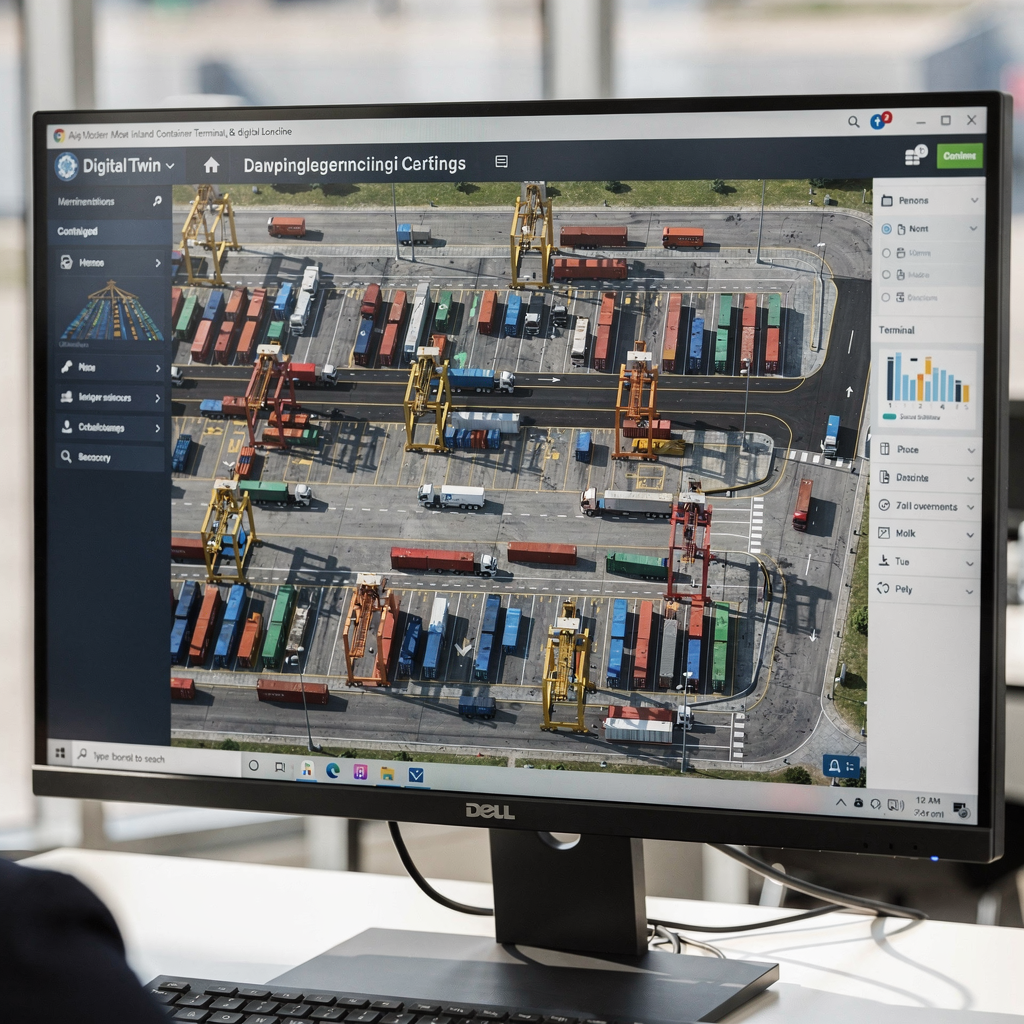
Inland Container Terminal Simulation-First AI Optimisation
inland container terminals: metric and throughput Inland container terminals form a key part of the supply chain and act as intermodal hubs connecting rail, road, and waterways. Inland container terminals move boxes between modes and store them temporarily while onward transport is arranged. The terminal must balance quay schedules, yard operations, and gate flows. Throughput […]
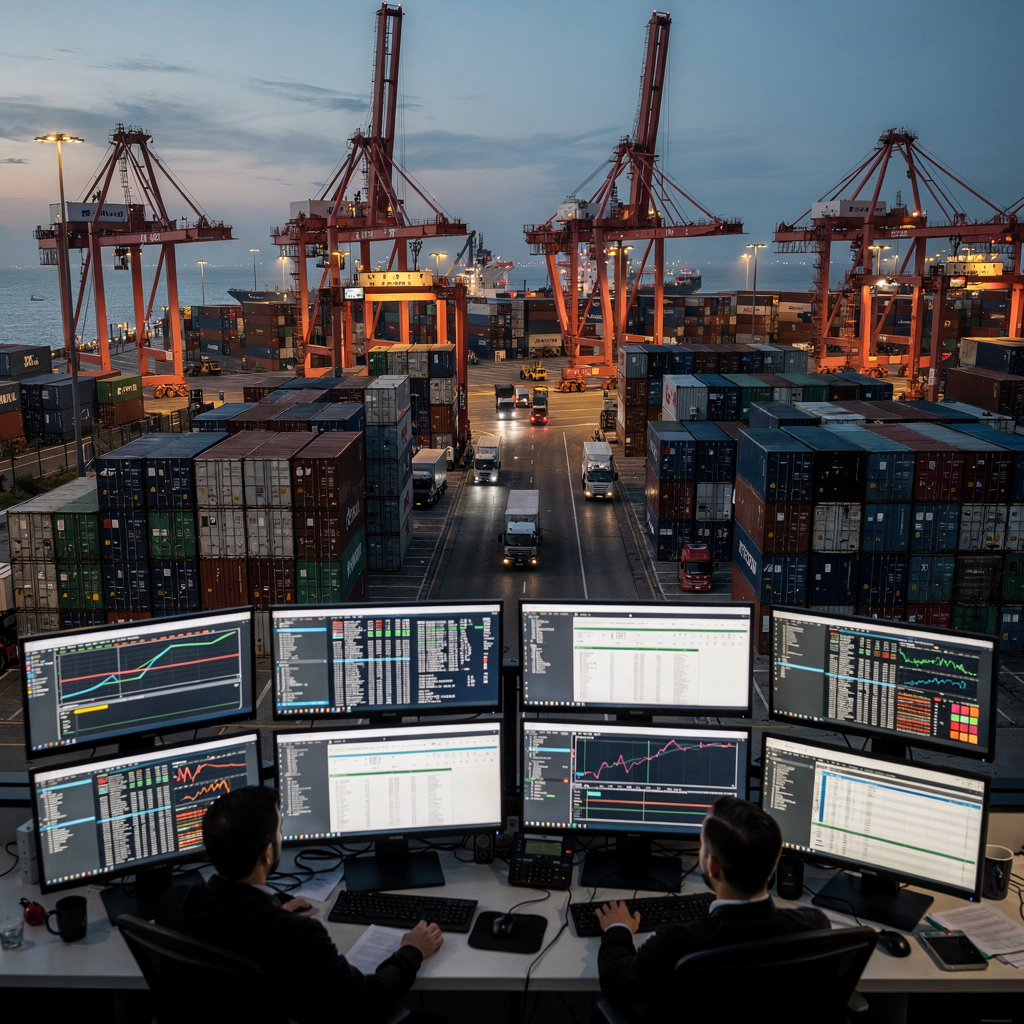
AI Port Exception Handling in Maritime Decision-Making
port operations and exception handling in container terminal operations Port operations face constant disruption from congestion, weather, quay equipment faults, and customs delays, and those disruptions raise operational risk for shipping lines and carriers. Exception handling in container terminal operations focuses on identifying anomalies, flagging them, and applying swift corrective action to protect vessel schedules […]
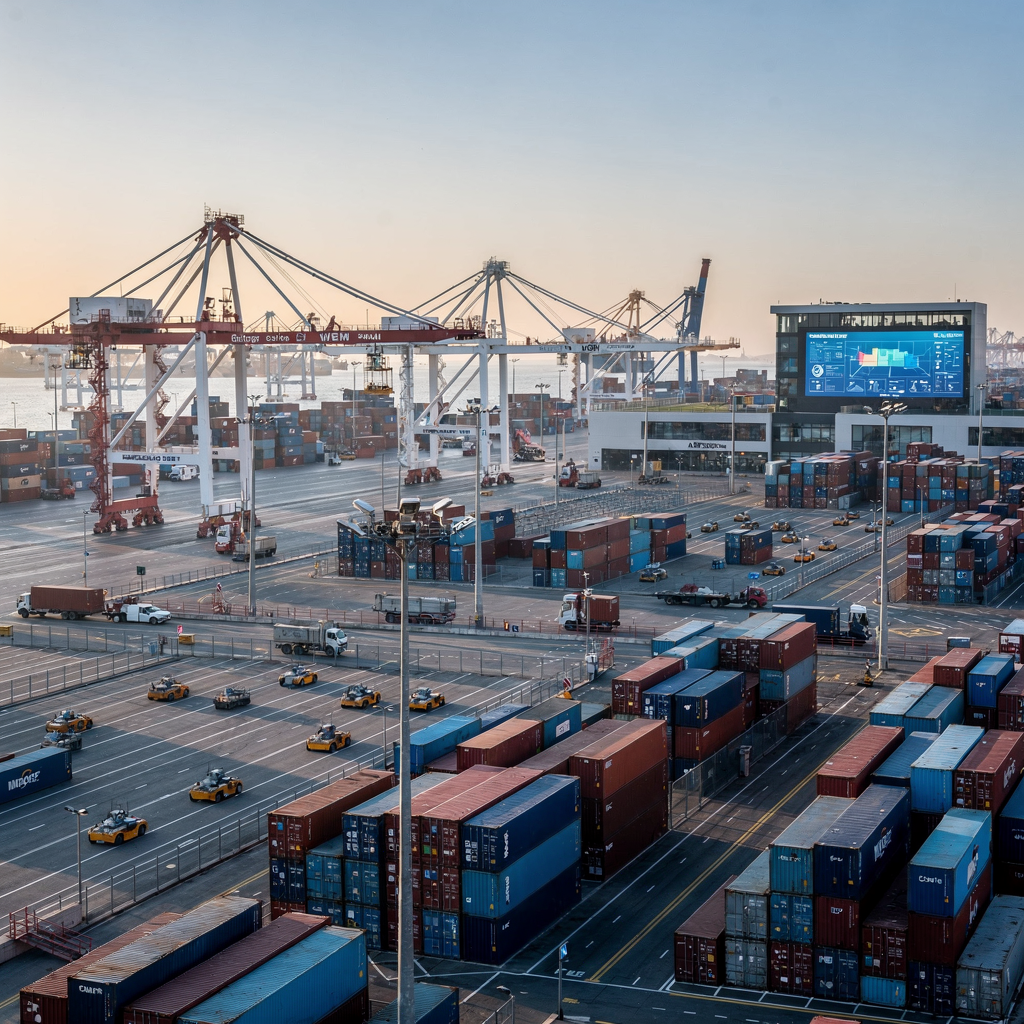
Trends in container port automation 2026: market size
2026 forecast and market size for container terminal automation The 2026 forecast for container terminal automation shows steady growth driven by rising trade volume and targeted automation investment. The global port infrastructure market is projected at US$222.1 billion in 2026, rising to US$316.5 billion by 2034 (CAGR 4.53%) — a figure that helps explain why […]
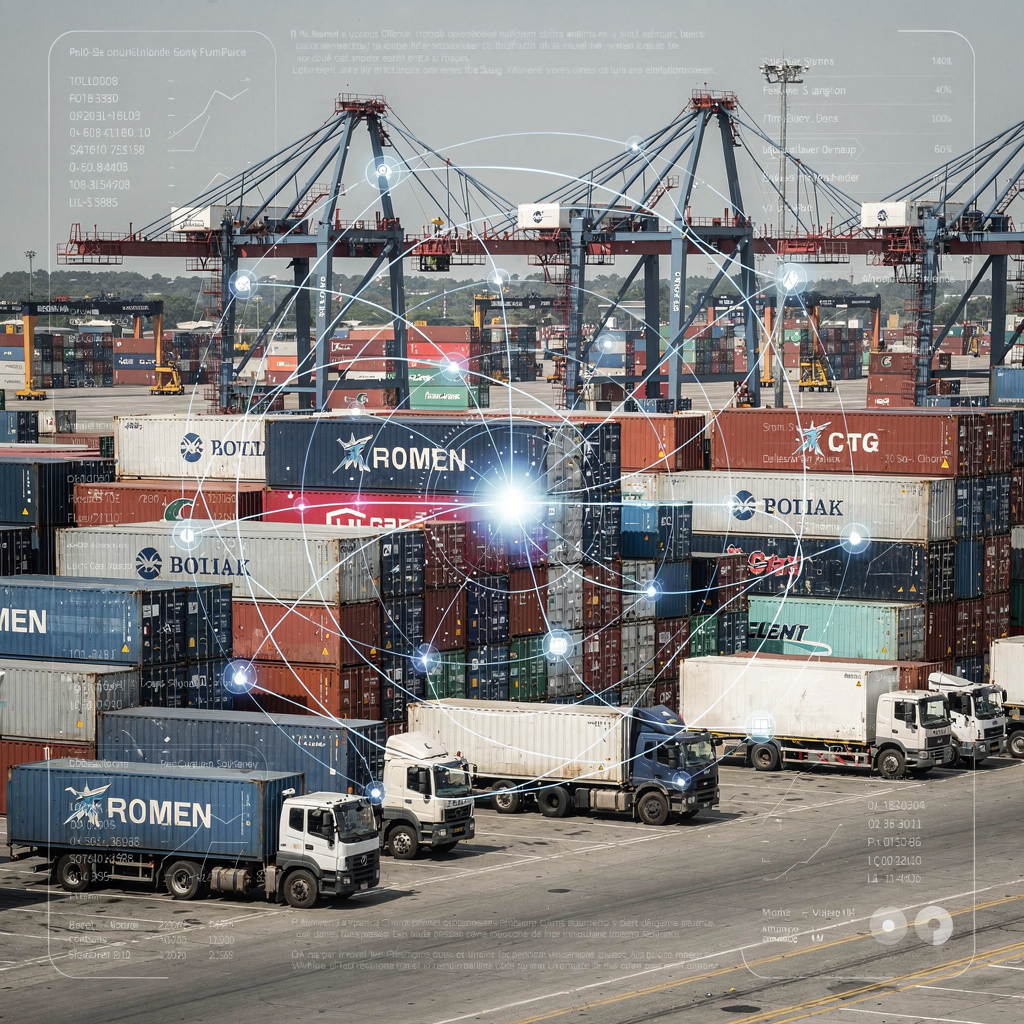
PLC-Integrated AI in Container Terminal Operations
Artificial Intelligence and the paradigm shift in Container Terminal Operations AI is changing how modern container terminals run. AI-enhanced PLC systems combine Programmable Logic Controllers with learning agents to enable adaptive control. They monitor equipment and they make quick decisions. Traditional PLCs follow fixed logic. In contrast, AI systems learn patterns and respond to new […]
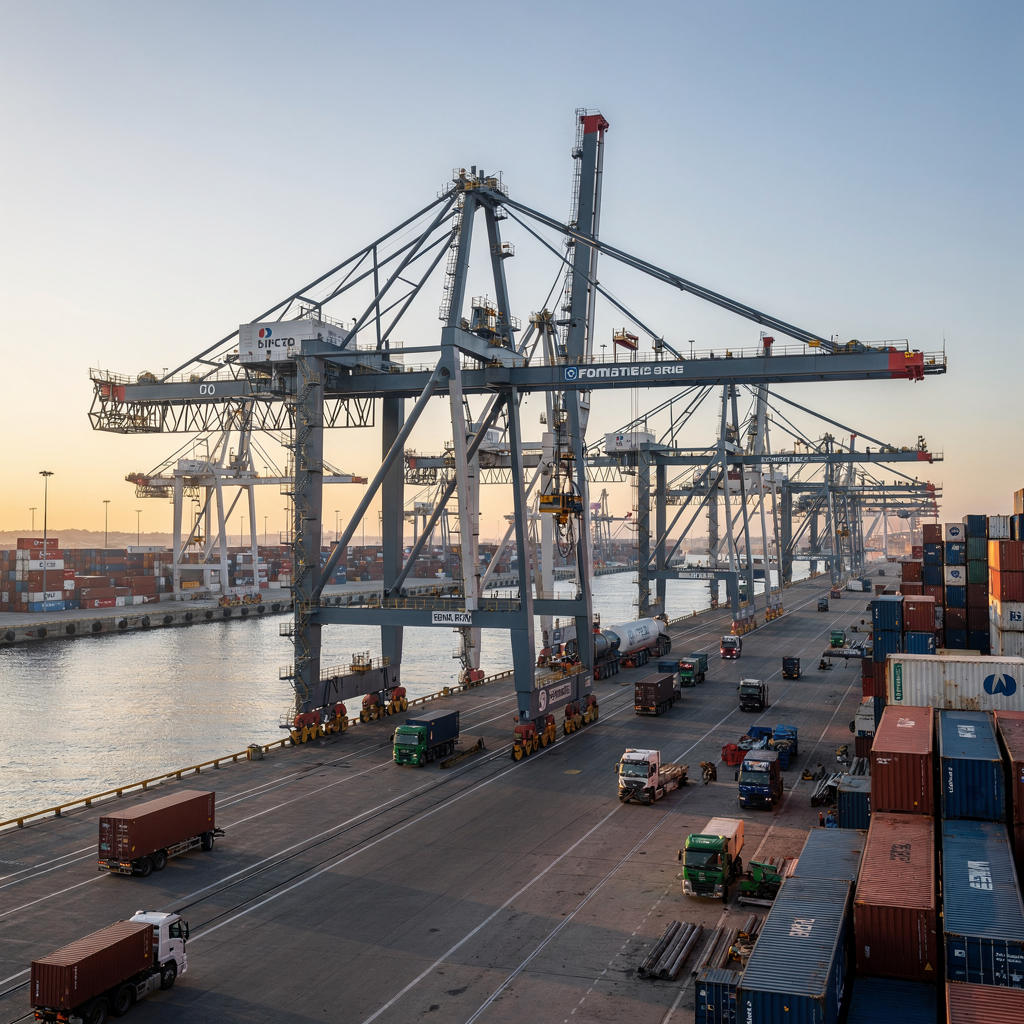
Container terminal allocation: implementing dual cycling
Introduction to Dual Cycling in Container Terminals Ports today face rising trade volume and tighter berth windows. As a result, planners must improve equipment use and reduce idle operating time. Dual cycling, sometimes called double cycling or dual-cycle in practice, aims to do that by overlapping UNLOAD and loading tasks at the quayside. First, a […]
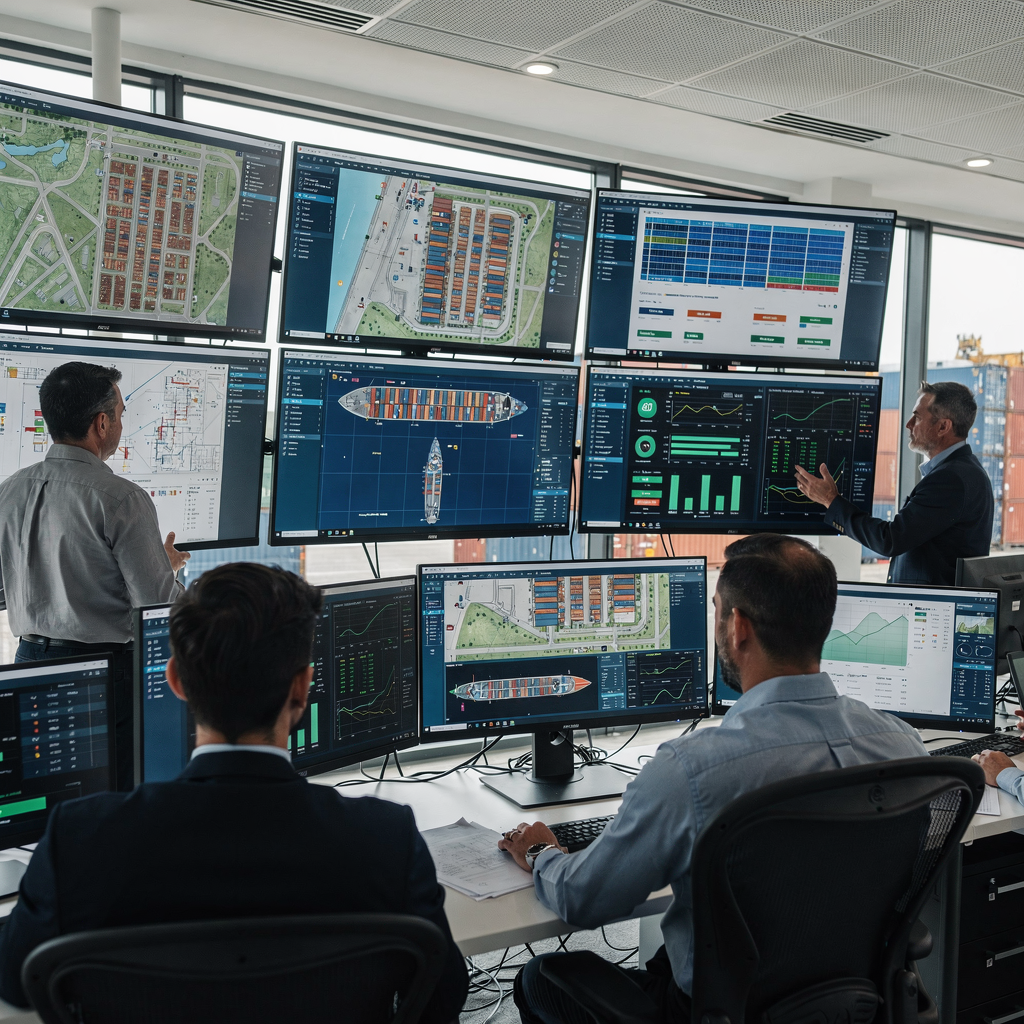
Container terminal integration: terminal operating system
terminal operating system and container terminal operating system essentials for port operations First, define the core. A terminal operating system manages workflows inside a terminal. It schedules vessel calls, controls yard allocation, and handles gate processing. A container terminal operating system is the focused variant that serves container terminals. It maps container stacks, plans stowage, […]
