
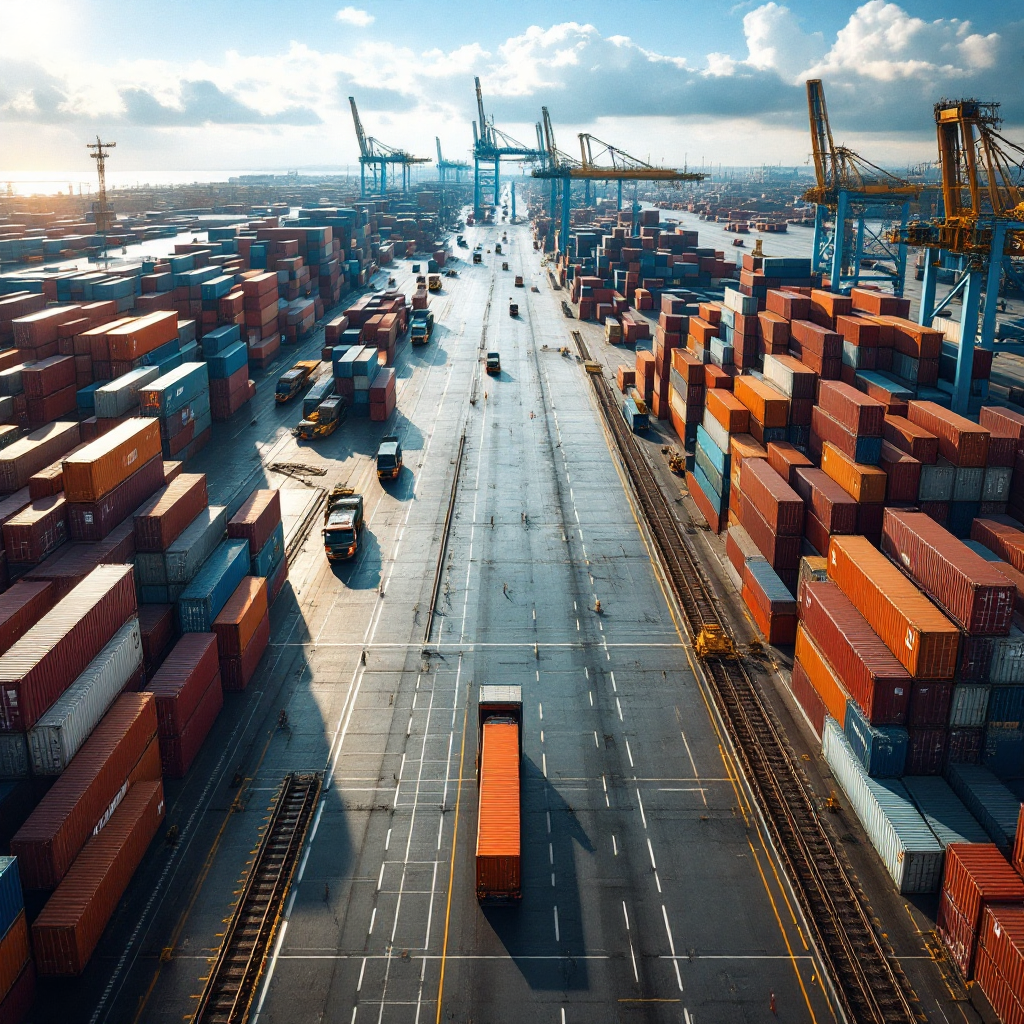
Terminal and Container Terminal Overview: Key Metrics and Infrastructure
The term terminal refers to a defined port area where cargo moves between ship and shore, and where logistics connect to hinterland transport. In contrast, a container terminal focuses on handling containerized freight with dedicated equipment and layouts. First, terminals measure performance with throughput, utilisation and turnaround time. Throughput quantifies the number of TEU or moves per period. Terminal throughput then becomes the shorthand for port capacity and market competitiveness. For example, research shows yard management is “proven to be the key to improve container handling efficiency” here, and that insight ties directly to throughput and turnaround time.
Core infrastructure includes quay cranes and gantry cranes, yard crane fleets, and transfer cranes that move containers between quay and yard. Quayside equipment integrates with container handling equipment such as reach stackers, straddle carriers and rmgcs to support internal transport. Ports also depend on gates, road links and intermodal rail to move containers to hinterland. Terminal managers track waiting time at gates and monitor containers to the terminal that arrive by truck or rail. For loading and discharging sequences, a stowage plan often guides the loading operation and the unload steps. Operators therefore balance quay capacity, yard blocks and storage space allocation to avoid bottleneck conditions in the overall terminal.
Technology plays a mounting role. Industry 4.0 trends push automation, real-time information systems and configurable control layers into operations. Terminal operators use TOS, analytics and a decision support system to coordinate work. When a port aims for higher effectiveness and efficiency, it must plan for loading process stability and reduce rehandles. For further reading on practical yard improvements, see our primer on container terminal yard optimisation fundamentals here. Finally, terminals that link quay and yard metrics can shorten turnaround time and relieve persistent bottleneck issues.
Terminal Planning and Decision Support System: Strategic Integration
Terminal planning covers space design, resource scheduling and capacity forecasting across every berth and yard block. Planners decide how to allocate quay cranes, set storage and support vessel planning. They set rules of thumb for storage and stacking, and they test those rules with scenario analysis. A decision support system helps them turn plans into executable operations. The decision support system, often shortened to dss, links arrival time estimates, TOS data and performance targets. It provides an intelligent decision layer that suggests allocation and resource allocation alternatives to terminal managers.
Common models include Analytic Hierarchy Process (AHP) for prioritising constraints, simulation for validating schedules, and dynamic stacking algorithms for storage positions. For example, an AHP study quantified which factors most affect yard planning and assigned relative weights to equipment availability, yard layout and container flow patterns here. Simulation case studies using actual yard terminal data validated that planned moves and stacking rules cut dwell time by about 10–12% here. Therefore planners combine optimisation with predictive modules to test schedules before execution.
Modern DSS platforms embed AI modules, predictive analytics and configurable dashboards. They ingest actual data from TOS, gate scanners and vessels. Then they run decision model scenarios that highlight risk, expected queueing and resource conflicts. Terminal operators use these outputs to improve throughput and reduce waiting time at gates. To explore software that integrates yard planning with vessel planning and advanced scheduling, review our article on integrating vessel planning and yard planning in terminal operations here. For strategic research that connects models to field practice, the industrial literature in the International Journal of Production offers methods and case studies that inform research directions.
Drowning in a full terminal with replans, exceptions and last-minute changes?
Discover what AI-driven planning can do for your terminal
Terminal Operation in the Container Terminal Yard: Workflow and Layout
The container terminal yard is where storage and stacking meet active handling. Layouts vary, but most use block, bay and row configurations to support quick retrieval. Yard blocks divide the plot into logical service areas. They support stacking cranes and stacking lanes. For high-density terminals, automated stacking cranes and rmgcs move containers between levels while gantry cranes transfer boxes along quayside. Yard blocks also host buffer zones for import containers and locations reserved for export containers awaiting truck pickup.
Operational tasks include import storage, retrieval, relocation and reshuffling to meet the stowage plan and vessel priorities. A yard crane operator sequences moves so that the transfer cranes and internal transport team work in sync. Teams also manage storage positions to reduce rehandles and to minimize operation time per container. Planners face the routing problem when they assign sequences for straddle carriers or reach stackers. They solve it with optimisation and rules that reflect operation mode and expected arrival time.
Key indicators include container dwell time, crane moves per container and yard occupancy rate. Terminal managers track these metrics to spot bottleneck spots across port areas. A focus on storage space allocation and storage positions reduces rehandles and improves the loading process for vessels. For operators seeking dispatch improvements, our piece on yard crane scheduling and dispatching in port operations explains tactics and sequencing logic here. In practice, a configurable TOS and tight data flows help crew and automation systems align work and preserve data security for operational decisions.
Berth Allocation Strategies: Balancing Ship Scheduling and Yard Capacity
Berth allocation sits at the interface between quay work and yard throughput. Planners face uncertainty from variable vessel arrivals, berth congestion and quay crane availability. They wrestle with the scheduling problem: which vessel gets which berth and when. Poor berth allocation increases waiting time, raises truck queues, and cascades into yard congestion. Therefore, models that jointly consider berth and yard capacity yield better outcomes than siloed plans.
Allocation models vary from static heuristics to dynamic scheduling and simultaneous berth-quay optimisation. Dynamic scheduling adapts to updated arrival time inputs and to tug or pilot delays. Simultaneous optimisation assigns quay cranes while considering yard blocks and downstream storage space allocation. Researchers document that collaborative approaches between quay and yard reduce overall delays and cut the handover friction between quay teams and yard crews here.
Operationally, berth allocation affects the stowage plan, the number of rehandles and the workload on gantry cranes and yard crane fleets. When berth schedules cluster, yard occupancy spikes and the loading and discharging cadence slows. Terminal managers use DSS outputs to smooth vessel arrivals, to set truck appointment windows and to sequence quay crane work. Our coverage of berth call optimisation strategies shows how dynamic windows can relieve queues and lower turnaround time here. By aligning vessel planning with yard capacity the port can shift a bottleneck into a managed queue and recover throughput more predictably.
Drowning in a full terminal with replans, exceptions and last-minute changes?
Discover what AI-driven planning can do for your terminal
Optimisation Models for Crane Dispatch and Equipment Use
Crane dispatch and equipment use are classic operations research problems in terminals. Planners apply linear programming, heuristics and metaheuristics to sequence moves, to assign cranes, and to decide when to relocate boxes. For gantry cranes, dispatch focuses on sequencing container moves to minimize gantry idle time and to reduce crane interference. For yard crane or transfer crane fleets, optimisation addresses routing, allocation and the timing of relocations that avoid extra rehandles.
Studies combining simulation with optimisation report measurable gains. Industry analysis shows yard planning and resource allocation improvements can produce productivity gains of 15–20% here. Simulation work on Ningbo Port demonstrated that planned movements and stacking strategies reduce container dwell time by roughly 10–12% here. Numerical experiments in academic articles confirm the value of two-stage or rolling-horizon algorithms, and they provide evidence for benefits from twin-lift sequencing and automated stacking cranes in dense yards.
Practical algorithms include split-optimisation for crane teams, and dispatch rules that embed the stowage plan while allowing flexibility for unexpected delays. Terminal operators feed actual data into solvers, and they test outputs with short-run numerical experiments before deployment. For more on crane split methods and dispatch heuristics, see our review of container terminal crane split optimisation algorithms here. The result is lower operation time per container and improved throughput for the overall terminal.
Outbound Coordination and Storage Positions Management for Dwell Time Reduction
Outbound flows require tight coordination. Truck appointments, gate processing and yard retrieval must synchronise to meet carrier windows. External trucks arrive with tight timing. When gates and the yard are out of sync, waiting time increases and the yard fills. A decision model that matches the truck stream to storage positions reduces gate queues and shortens dwell.
Efficient storage positions planning uses data-driven stacking strategies that reserve space for export containers and that prioritise quick pickups. Advanced TOS modules and information systems provide visibility of export readiness. They also support stowage adjustments that reflect last-minute changes to manifests. A data-driven dynamic stacking strategy shows how storage and stacking choices can cut delays for exports and improve the loading operation at berth here.
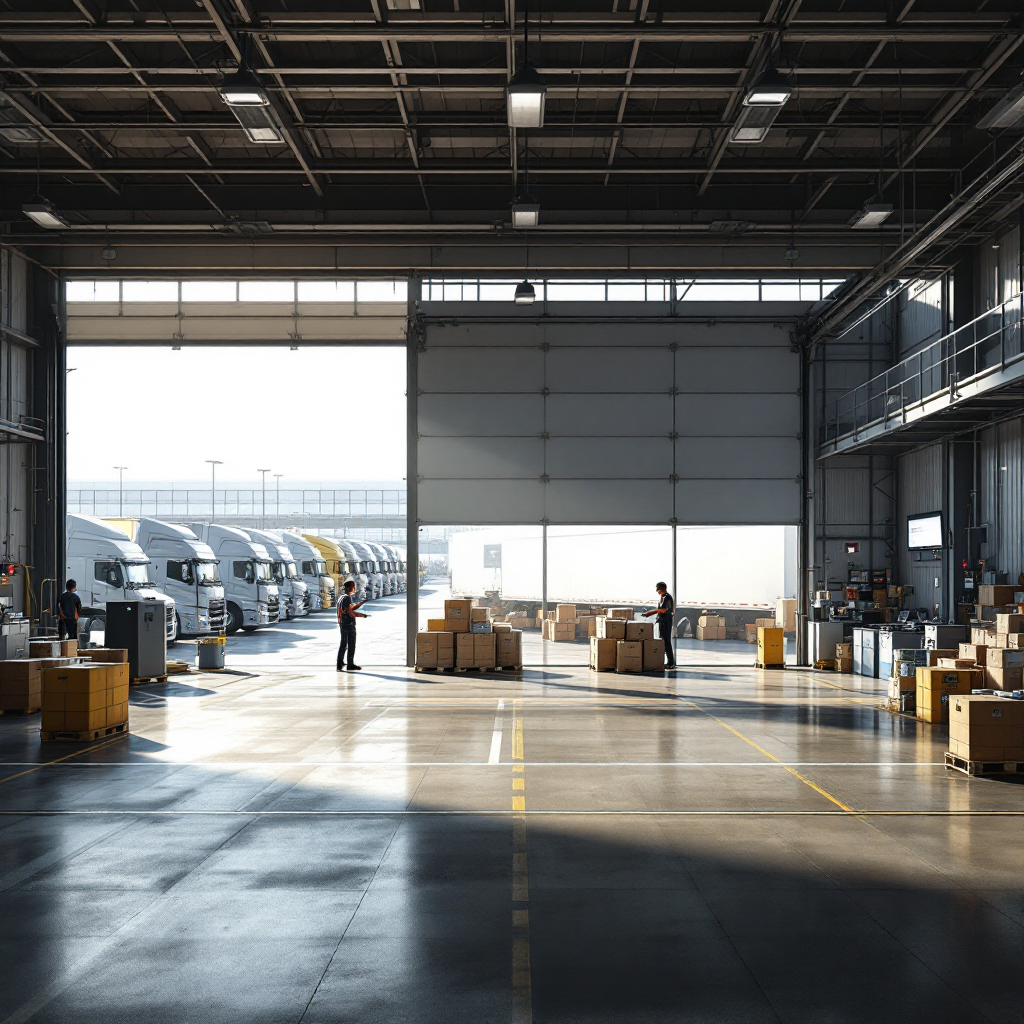
From an operational perspective, synchronised gate-yard dispatch reduces congestion and lowers turnaround time for trucks and vessels. TOS rules, configurable appointment systems and intelligent decision logic help coordinate external trucks with yard crane schedules. Companies that automate email and notification flows can also improve response times for truck appointments. This reduces manual delays in operations planning and improves data security when emails touch ERP and WMS records.
Data-driven outbound coordination also ties to resource allocation for straddle carriers or rmgcs and to routing problem solutions for internal transport. When storage positions are planned with actual data about arrivals, the operation reduces rehandles and the number of moves it takes the container from gate to ship. As research directions shift toward AI-driven relocation and collaborative truck scheduling, terminals will keep lowering waiting time and improving the effectiveness and efficiency of container terminal operations here.
FAQ
What is the difference between a terminal and a container terminal?
A terminal is a port facility for handling various cargo types, while a container terminal specialises in containerized freight. Container terminals use specialised cranes, yard layouts and TOS interfaces to manage container storage and moves.
How does yard planning affect terminal throughput?
Good yard planning shortens internal moves and reduces rehandles, which increases throughput. By optimising storage positions and crane dispatch, terminals minimize idle equipment and move more TEU per hour.
What role does a decision support system play in operations?
A decision support system aggregates data, runs predictive analytics and suggests schedules or resource allocation. It helps terminal operators make faster, evidence-based choices and reduces waiting time at gates and berths.
Can AI reduce container dwell time?
Yes. AI-driven relocation and dynamic stacking strategies can lower dwell time by adapting plans to real-time conditions. Studies and pilots have shown reductions on the order of 10–12% in validated cases.
What is berth allocation and why does it matter?
Berth allocation assigns vessels to quay positions and schedules quay cranes. It matters because poor allocation creates queuing at the quay and backup in the yard, which cascades into longer turnaround time.
Which equipment types are critical in the yard?
Key equipment includes yard crane fleets, automated stacking cranes, rmgcs and transfer cranes. Each type supports specific tasks from stacking to horizontal moves, and they must coordinate to avoid operational problems.
How do terminals manage outbound truck flows?
Terminals use appointment systems, TOS rules and coordinated dispatch to align truck arrivals with container availability. Synchronised systems cut waiting time and smooth the loading and discharging cycle.
What metrics should terminal managers monitor daily?
Monitor crane moves per container, yard occupancy rate, container dwell time and turnaround time. These metrics reveal bottleneck areas and guide resource allocation decisions.
Are there simple rules of thumb for storage and stacking?
Yes. Keep export containers near gates, reserve buffer slots for incoming import containers, and avoid deep stacks that require frequent reshuffling. These rules reduce rehandles in peak periods.
How can small terminals adopt advanced planning tools?
Start with configurable TOS modules and integrate key information systems like gate scanners and yard sensors. Then add optimisation modules and pilot data-driven dispatch for a limited yard block to test results before scaling up.
our products
 stowAI
 stackAI
 jobAI
jobAI
Innovates vessel planning. Faster rotation time of ships, increased flexibility towards shipping lines and customers.
Build the stack in the most efficient way. Increase moves per hour by reducing shifters and increase crane efficiency.
Get the most out of your equipment. Increase moves per hour by minimising waste and delays.
stowAI
Innovates vessel planning. Faster rotation time of ships, increased flexibility towards shipping lines and customers.
stackAI
Build the stack in the most efficient way. Increase moves per hour by reducing shifters and increase crane efficiency.
jobAI
Get the most out of your equipment. Increase moves per hour by minimising waste and delays.