
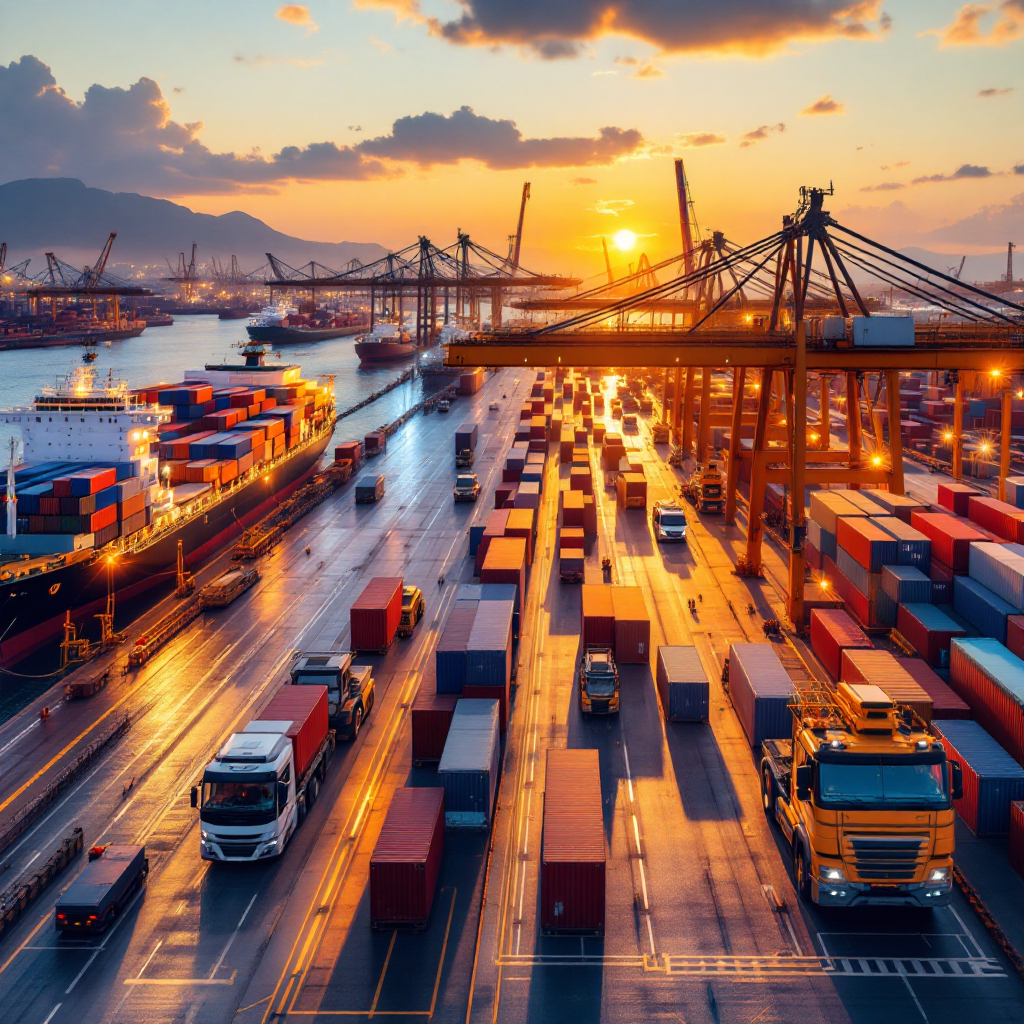
port Emissions: maritime shipping and greenhouse gas Overview
Ports sit at the intersection of global trade and local communities. They shape flows of goods, and they shape local air quality. The maritime share of global CO₂ is often cited near 3%, and ports contribute a sizable slice of that through vessel activity and onshore operations. For example, ports and adjacent shipping can drive significant local air pollution and carbon exposure for nearby residents; research highlights heavy impacts from docked ships, cargo handling and terminal power use Decarbonisation of Ports: Strategies and Technologies. First, the main sources are clear. Ships at berth consume power for hoteling and cargo systems. Cargo-handling equipment burns diesel. Terminal facilities rely on grid power and backup generators. Together, these create a steady stream of emission and local pollutants.
Second, policy links change the economics and timing of action. The International Maritime Organization sets long-term targets and has pushed the sector toward aggressive greenhouse gas goals. The international maritime policy target asks for deep cuts in intensity and life-cycle emissions, and many ports now align local plans to those signals. Third, we must quantify the opportunity. Studies show that reducing at-berth emissions, electrifying yard equipment, and upgrading terminal energy systems can shrink the port greenhouse gas footprint substantially. For instance, coordinated electrification and shore-side supply reduce on-site fossil fuels, and they lower carbon emissions from ships while they are docked. Ports that act now can also cut air pollution and health risks for adjacent neighborhoods.
Finally, this chapter highlights urgency and scale. Ports affect both maritime transport and hinterland supply chains. They touch logistics providers, terminal operators, freight owners, and local utilities. For ports to meet greenhouse gas targets and to pursue carbon neutrality by 2050, they need practical plans that balance cost, reliability and community benefits. This overview sets the stage for targeted port decarbonization approaches in the sections that follow.
port decarbonization Strategies: Shore Power and Electrification
Shore power is a proven lever. When ships plug into an onshore electricity supply they can cut at-berth emissions by up to 98% from local combustion sources. That statistic has driven many early investments and policy mandates. Ports that deploy shore power also reduce noise and local particulate matter, and they create strong drivers for renewable energy uptake. At the same time, electrification of cranes, automated guided vehicles and electric forklifts displaces diesel across the yard. Electric cranes and AGVs lower local emission and they improve operational efficiency because they need less maintenance and they can integrate with smart energy systems.
Nearly 75% of ports report seeking government funding for electrification projects, which shows both need and demand for public support Port Decarbonization: Snapshot of a Sector in Transition. Funding helps ports replace legacy equipment and to add charging infrastructure. Also, electrification enables more flexible use of renewable energy, since batteries and shore power can be timed to match solar and wind output. Electrification projects include retrofits and new-build investments. They range from replacing diesel terminal tractors to installing on-dock shore power for container and Ro-Ro vessels.
Practical rollout requires planning. Port authorities must coordinate grid upgrades, manage permitting, and set standards for connection. They must also consider the pace of ship technology adoption and the availability of compatible onboard systems. For example, ports that pair yard electrification with automated terminal solutions can gain both emission reduction and productivity gains; operators can consult automation resources to design workflows that prioritize electric equipment automated terminal solutions. In parallel, electrifying cranes benefits from AI-driven workload balancing that increases uptime and reduces idle energy; see work on AI-based workload balancing for yard cranes AI-based workload balancing for wide-span yard cranes. These combined moves cut diesel consumption and strengthen the business case for cleaner power.
Drowning in a full terminal with replans, exceptions and last-minute changes?
Discover what AI-driven planning can do for your terminal
Cleaner Fuel Options for Reducing carbon footprint
Alternative fuel choices matter for lifecycle carbon outcomes. Fuels like liquefied natural gas and hydrogen, plus advanced biofuels, can cut lifecycle greenhouse gas by 20–30% compared with heavy fuel oil in some pathways. That range depends on feedstock, production method and distribution logistics. The switch to alternative fuel needs coordinated bunkering infrastructure. Some northern European ports have run hydrogen refuelling trials and pilots for ammonia and advanced biofuels. These pilots demonstrate feasibility, and they reveal barriers in safety rules, supply-chain readiness and cost.
Hydrogen holds promise, and it carries operational implications. Hydrogen can support short-haul ferries and terminal trucks now, and it may scale to ocean-going propulsion later. However, ports must invest in safe handling, storage and bunkering systems. Case studies from early adopters show that mixed-fuel strategies reduce risk and allow gradual adoption. For example, blending biofuels into existing marine fuel chains lowers carbon footprint while infrastructure for hydrogen matures. Also, liquefied natural gas can reduce certain emission categories, but it raises questions about methane leakage and long-term climate outcomes.
Fuel-switch challenges remain. First, cost is high for many alternative fuels; supply is limited, and production must expand. Second, safety and regulatory frameworks must evolve; ports and terminals need clear guidance on handling and emergency response for hydrogen and ammonia. Third, terminals and carriers must coordinate on refuelling windows and storage. To address logistics, ports can pilot bunkering corridors and connect with regional producers. For ports seeking deeper technical guidance, operational tools can help optimize equipment deployment while integrating new fuel types; see approaches for optimizing yard equipment deployment in container ports optimizing yard equipment deployment.
Finally, alternative fuel adoption complements electrification and smart energy. A diversified strategy that includes cleaner fuel and electric power reduces the carbon footprint of both ships and terminals while keeping cargo flows reliable.
Green ports Infrastructure: Renewable Energy and Storage
On-site renewable energy can supply a large share of terminal loads. Solar PV arrays on warehouses and on-dock wind turbines provide clean energy and reduce dependence on the grid. A combined approach with battery storage and thermal systems smooths demand and helps integrate intermittent renewable energy. Microgrids enable local energy resilience, and they support aggressive electrification of yard equipment and shore power. Battery storage systems also help avoid costly grid upgrades by shifting peak loads to off-peak periods.
Nearly zero-energy frameworks guide holistic design. These frameworks combine energy-efficient buildings, demand-side management and integrated energy sources. For terminals, the goal is to shrink energy consumption through efficient lighting, HVAC and smart control, and then to supply the remaining needs with clean energy. Energy management and energy storage systems are central. For example, battery storage pairs with rooftop solar to power cranes during peak daylight hours. Thermal storage captures waste heat for facility uses and reduces fuel consumption for backup systems.
Practical design choices matter. Ports can install microgrids for isolated operations. They can buy long-term power purchase agreements, or they can invest in community renewable projects to secure reliable clean energy. Also, early adopters often test hybrid systems that combine battery storage with hydrogen-based long-duration storage. These hybrid systems support continuous operations when renewables drop and when docked ships require stable power.
Funding and policy help. Green bonds and public-private partnerships accelerate deployment of renewable energy on port land. When ports integrate microgrids and battery storage they also gain operational benefits. For instance, smart energy systems can reduce energy consumption by optimizing crane schedules and by aligning charging with low-carbon energy availability. Such measures improve energy efficiency while cutting carbon emissions and helping create green ports that are more resilient and more competitive.

Drowning in a full terminal with replans, exceptions and last-minute changes?
Discover what AI-driven planning can do for your terminal
Digitalisation for decarbonizing ports and Operational Efficiency
Digital tools shrink inefficiencies, and they reduce idle time for ships and equipment. Data sharing platforms such as Port Community Systems and AIS-based optimization reduce waiting and speed turnaround. When stakeholders share ETAs and berth assignments, ships spend less time idle outside the quay. That lowers shipping emissions and cuts fuel burn. Digital platforms also support smart grid management, which balances load among shore power, renewables and battery storage in real time.
Smart ports use AI to improve dispatch and to optimize equipment allocation. For example, automating import and export flows with AGV job prioritization reduces empty moves and saves energy; see use cases for automated guided vehicles and job prioritization AGV job prioritization. Another example is AI-based workload balancing across yard cranes, which increases productivity while lowering energy per move AI-based workload balancing for wide-span yard cranes. These applications show how smart scheduling and machine learning reduce energy consumption and emissions by matching equipment activity to actual demand.
Data-driven energy management supports decarbonisation of ports. Energy management systems can forecast renewable output, and then they can shift charging or heavy loads to low-carbon windows. Coordinated scheduling among shipping lines, terminal operators and energy providers unlocks additional reductions. The benefits are not only environmental. They also include cost savings, improved throughput and better resilience during peak demand or grid outages.
Company solutions that automate repetitive email and coordination tasks also speed decision cycles and reduce manual delays. This reduces time lost in triage and manual lookup, and it speeds coordination across shore power requests, bunkering slots and equipment scheduling. By cutting administrative friction, such automation complements physical investments and helps ports realize emission reduction targets sooner.
2050 Roadmap for Sustainable maritime Port Operations
The road to 2050 requires phased actions. The International Maritime Organization and regional regulators set targets that push ports and carriers to plan long timelines. Many strategies align to the IMO target of deep greenhouse gas cuts by mid-century, and several ports aim at carbon neutrality by 2050. Policy tools include carbon pricing, emissions trading system alignment, and incentives such as green bonds and grants. These instruments help ports finance infrastructure upgrades and grid connections.
A phased transition works best. Early stages prioritize shore power for high-frequency berths, electrification of local cargo handling, and modest renewable deployments. Mid-term stages scale alternative fuel bunkering and expand microgrids. Late stages aim for net-zero emissions with full renewable supply, long-duration storage, and fuels like hydrogen and ammonia where appropriate. Ports must retire diesel fleets and plan replacement timelines with clear milestones. Also, ports should set intermediate targets for 2030 to ensure steady progress.
Policy and partnerships matter. Public-private partnerships accelerate the heavy investments for grid upgrades and bunkering. Carbon pricing and incentives make business cases clearer. Ports should also adopt comprehensive strategies that combine electrification, cleaner fuels, digital optimisation and infrastructure modernization. For example, mandating shore power for specific trades while funding electric yard equipment creates rapid wins. Aligning with the international maritime organization and with EU and national plans helps ports avoid stranded assets and supports coordinated adoption across supply chains.
Finally, operational change is essential. Training, safety protocols and logistical planning ensure that new systems run smoothly. One practical step is to mandate shore power at major container berths while offering grants for retrofits. Another step is to prioritize electrification of terminal tractors and cranes, and to pair those investments with battery storage and smart grid controls. These moves reduce carbon emissions, improve operational efficiency, and secure the port’s role in more sustainable maritime trade. In this way, port operations across regions can move toward more sustainable maritime outcomes while supporting global trade and community goals.
FAQ
How much do ports contribute to global CO₂ emissions?
Ports and maritime shipping together account for around 3% of global CO₂ emissions, and ports concentrate many local sources of pollution such as vessels at berth and diesel-powered equipment. Studies linked to port activities show high local exposure, and ports are now a focus for greenhouse gas mitigation and health improvements Decarbonisation of Ports.
What is shore power and how effective is it?
Shore power lets docked ships plug into onshore electricity instead of running onboard engines, and it can cut at-berth emissions by up to 98% for local combustion sources. It also lowers noise and particulate matter, and it creates demand for low-carbon electricity supply at the quay.
Which fuels count as cleaner alternatives for ports?
Cleaner options include liquefied natural gas, hydrogen, advanced biofuels and ammonia in certain applications. These alternative fuel pathways can yield 20–30% lifecycle greenhouse gas savings in some cases, though results depend on production methods and supply-chain emissions.
What role does renewable energy play in port decarbonization?
On-site renewable energy such as solar PV and on-dock wind reduces reliance on grid power and on-site fossil fuels, and battery storage smooths demand peaks. Microgrids and nearly zero-energy frameworks help terminals match energy consumption to clean energy availability, improving resilience and cutting carbon emissions.
How can digitalisation help reduce emissions at ports?
Data sharing platforms and AI-driven scheduling reduce vessel idle time and optimize equipment use, which lowers fuel burn and energy consumption. Port Community Systems and AI tools for yard optimization are practical examples that improve operational efficiency and reduce emission intensity container terminal KPIs and AI.
Are there funding options for port electrification?
Yes. Nearly 75% of ports seek government support for electrification projects, and instruments include grants, green bonds and public-private partnerships. Such funding helps cover grid upgrades and charging infrastructure costs Port Decarbonization Snapshot.
What practical challenges block rapid fuel-switching?
Major barriers are high costs, limited supply, safety regulations and the need for new bunkering infrastructure. Ports must also align with carriers and with national regulators to ensure safe handling of fuels like hydrogen and ammonia.
How do ports balance decarbonization with throughput and reliability?
Ports prioritize measures that lower emission intensity while protecting capacity, such as phased electrification, digital scheduling and hybrid fuel strategies. Retrofitting manual ports with smart systems can also improve productivity while cutting energy use retrofitting manual container ports.
Can automation reduce both costs and emissions?
Yes. Automation that optimizes moves and reduces empty travel lowers fuel burn and energy consumption, and it cuts labor-intensive email and coordination tasks that slow operations. Tools for minimizing internal truck travel time and for real-time replanning demonstrate measurable efficiency gains minimizing internal truck travel time.
What is the outlook for ports by 2050?
Many ports plan to align with the IMO and with national targets, aiming for deep greenhouse gas cuts and carbon neutrality pathways by 2050. Success depends on combined investments in electrification, cleaner fuels, renewable energy and smart systems, and on clear policy incentives to finance the transition toward more sustainable maritime trade.
our products
 stowAI
 stackAI
 jobAI
jobAI
Innovates vessel planning. Faster rotation time of ships, increased flexibility towards shipping lines and customers.
Build the stack in the most efficient way. Increase moves per hour by reducing shifters and increase crane efficiency.
Get the most out of your equipment. Increase moves per hour by minimising waste and delays.
stowAI
Innovates vessel planning. Faster rotation time of ships, increased flexibility towards shipping lines and customers.
stackAI
Build the stack in the most efficient way. Increase moves per hour by reducing shifters and increase crane efficiency.
jobAI
Get the most out of your equipment. Increase moves per hour by minimising waste and delays.