
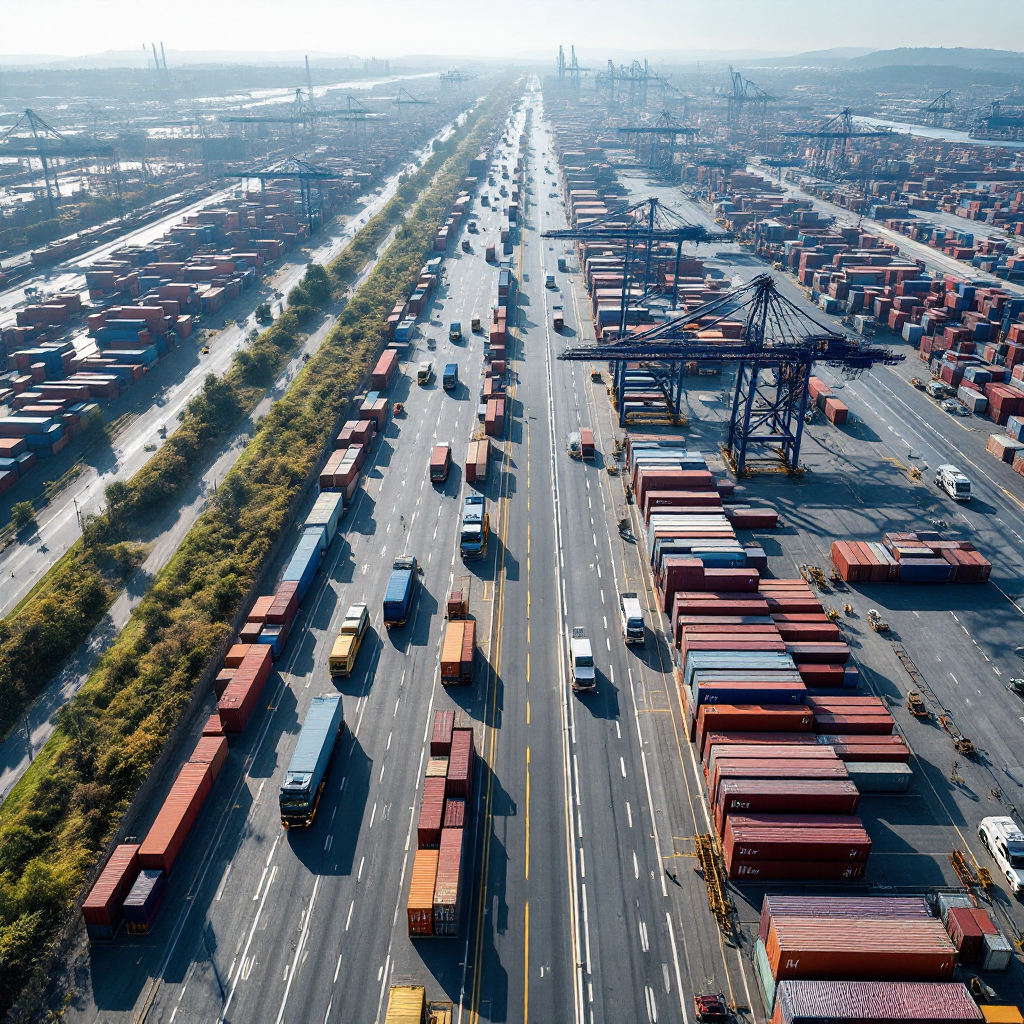
container terminal yard density and inland port fundamentals
Yard density describes how tightly containers, equipment and lanes occupy yard space in an inland container terminal. It measures containers per square metre and average stacking height. For planners and operators the metric links directly to handling speed and turn times. First, yard density sets limits on how many TEUs a site can hold. Next, it affects how quickly staff find and move containers. In practice, operators balance stacking and retrieval to keep flows steady.
Inland terminals act as hubs between seaport networks and the hinterland. They connect rail, truck and inland waterway movements. As a result, these terminals shape cargo routing, modal choice and landside turnaround. For ports that serve large city regions, inland terminals reduce truck miles and free up berth capacity at the seaport.
Key metrics include containers per square metre, stacking height, and utilization of stacking yards. Yard handling uses gantry cranes, yard cranes and reachstackers. Those pieces of handling equipment drive material handling speed. Shorter distances and better slot allocation cut dwell time of container and lower operational costs. Terminal operators often track container dwell, truck turnaround and quay crane cycles as primary indicators of terminal performance. For more on yard planning and slot rules see the guide to stowage and yard planning.
Yard layout choices change density outcomes. For example, tighter blocks increase density but they also raise the need for precise allocation. In contrast, spread-out layouts reduce stacking but add travel time. Terminal operation teams use simple rules and simulations to test layouts. They may run a terminal simulation to compare stacking strategies and results of the simulation help decide where to increase yard space or add buffer yards. At the same time, port authorities and terminal operators must align on policies for empty container repositioning and gate hours to keep flows smooth.
Impact of yard density on throughput and throughput capacity
Yard density has a clear link to container terminal throughput. Higher density can raise capacity per square metre. However, too much density harms speed. Research shows that terminals operating near an optimal yard density can gain 15–20% in capacity compared with poorly managed yards. For a source, see the World Bank review on concessions that notes well-managed yards can support volumes above one million TEUs annually without major delay Container-Terminals-Concessions-Making-the-Most-of-Ports-in ….
UNCTAD reports yard congestion can reduce terminal efficiency by roughly 10–12% in some ports Review of Maritime Transport 2020. That drop shows how quickly increased stacking and longer retrieval raise operational costs. When a yard gets crowded, quay crane cycles slow because trucks and feeders arrive late. As a result, berth productivity and port performance fall. Therefore, yard density becomes a core indicator in planning.
Striking the right level of yard density also mitigates bottleneck risk. If density is low, utilization falls and landside costs rise. If density is high, dwell time and container handling time increase and carriers face longer port calls. Terminals that implement dynamic slot rules and real-time yard planning avoid extremes. They can maximize throughput capacity while they minimize queueing at gates. For strategies on dynamic management and yard optimization see our article on real-time yard optimization strategies.
When teams balance stack height and footprint, they improve overall supply chain velocity. For example, a moderate stacking policy keeps container flows flexible. At the same time, predictable stacking reduces crane idle time and boosts quay crane and gantry cranes productivity. In short, optimal yard density improves port efficiency and supports higher container terminal throughput without excessive investment.

Drowning in a full terminal with replans, exceptions and last-minute changes?
Discover what AI-driven planning can do for your terminal
Terminal operation efficiency: container handling, congestion and cargo flow
High yard density affects container handling in multiple ways. First, it forces extra moves when containers sit under other stacks. Second, it lengthens crane cycles because machines must reposition more often. Third, it inflates average container dwell time. Those three effects add time and cost. Operators must track crane productivity and job sequencing to counter this.
In yard layouts, common congestion points include gate areas, rail interfaces and dense stack blocks. Gate peaks create long queues and extend landside turnaround. Rail arrival surges create brief periods of intense activity. To respond, terminal operators work with carriers and hauliers to smooth arrivals. Appointment systems reduce the number of truck arrivals that cluster at the gate. For example, AI-enhanced truck appointment systems improve truck flow and reduce queuing by predicting haulier arrival windows AI-enhanced truck appointment systems for terminal operations.
Balancing cargo stacking and retrieval speeds requires clear allocation rules. Terminals assign slots by combination of arrival time, carrier, and cargo priority. Those allocations must be flexible. Real-time yard management tools then adjust plans when delays happen. Digitalization and a terminal operating system help teams monitor slot occupation and reassign moves. Short moves and fewer repositioning lifts mean fewer idle crane minutes. That increases productivity and reduces operational inefficiency. We automate email triage and confirmations that otherwise take ops staff time. As a result, planners react to gate exceptions faster and cranes receive clearer instructions.
Finally, material handling choices matter. Using reachstackers for short, varied moves and yard cranes for dense stacks creates an effective mix. Terminals that use automated stacking cranes in high-density blocks cut average dwell time of container and lower the risk of damage. In practice, a blended fleet and disciplined slot allocation reduce both bottleneck risk and turnaround at the berth.
Integrating inland waterway and maritime transshipment in supply chain
Inland waterway links can relieve road congestion and shorten truck legs. They create modal options that smooth container flows between seaport terminals and inland hubs. For coastal regions, shifting feeder moves from road to waterway reduces the number of truck trips per TEU. That outcome reduces port area truck congestion and lowers operational costs.
Transshipment hubs improve multimodal connectivity. They let shipping lines feed inland terminals by barge or feeder vessel. As a result, ports free up berth space and shipping lines see faster turnaround. Integrated hubs also support transshipment between maritime services and inland carriers. Well-designed hubs shorten freight lead times and increase resilience to disruptions in global supply chains.
Policy and planning drive effective modal shifts. Port authorities must coordinate with rail and waterway operators to schedule barge windows and rail paths. At the same time, terminal operators need systems that manage container flows across modes. Digital platforms and a terminal operating system make multimodal handovers predictable. To explore simulation tools that test modal shifts, see a relevant guide on using digital replicas for scenario simulation digital replica of terminal operations for scenario simulation.
Shippers and cargo owners benefit when inland hubs absorb peak flows. For carriers, predictable inland transfer reduces ship idle time at berth. For supply chain planners, the result is fewer delays and lower inventory buffers. In practice, combining barge schedules with gate appointment slots reduces peaks and helps terminals minimize stacking depth. That reduces dwell time and increases the chance a terminal meets throughput targets even during seasonal surges.
Drowning in a full terminal with replans, exceptions and last-minute changes?
Discover what AI-driven planning can do for your terminal
Container terminal operations and automation for freight optimisation
Automation can increase speed while it reduces manual moves. Terminal automation ranges from automated stacking cranes to automated gate readers. These systems reduce human error and speed decision loops. Automated stacking cranes operate well in dense blocks because they lift precisely and they place containers in tight slots. As a result, terminals that implement automated stacking cranes often see higher material handling efficiency.
Digital tools support yard planning and slot allocation. Real-time platforms assign moves, predict crane work, and update allocations. They also feed status into carrier and shipper portals. That transparency reduces calls and emails. Our AI agents read operational emails, pull data from ERP and TMS, and draft accurate replies. This shortens operational email handling time dramatically and frees planners to focus on physical optimisation.
Comparisons of automated and manual operations show marked productivity gains in dense yards. Automated blocks reduce repositioning moves and lower dwell time. At the same time, automation requires higher upfront investment and careful maintenance. Terminal operators must weigh capital costs against gains in port efficiency and reduced operational costs. Some terminals keep mixed fleets to balance flexibility and cost.
Quay crane scheduling and yard optimization also benefit from AI. For example, AI-driven quay crane scheduling reduces idle periods and smooths handovers between ship and yard AI-driven quay crane scheduling and yard optimization. Combining real-time data, slot allocation logic and automation produces measurable improvements in terminal performance. In practice, the best results come when terminal operators couple automation with clear operating rules and accurate data feeds. That approach reduces bottlenecks and increases throughput while it maintains safe operations.
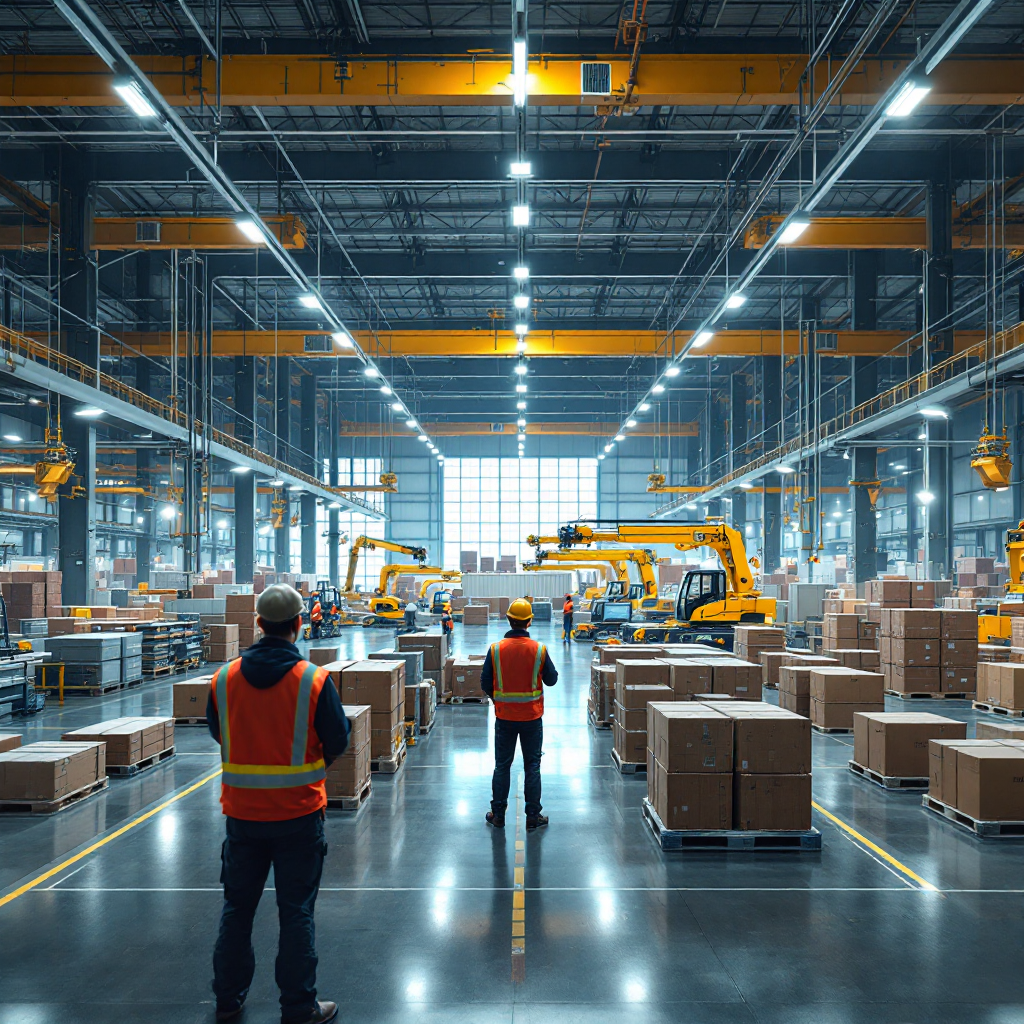
Strategies to reduce port congestion and manage congest zones
Dynamic slot booking and appointment systems cut gate peaks and reduce queueing. Those systems control landside arrivals and ensure that the right truck meets the right yard resource at the right time. Appointment systems also support collaborative planning among port operators, carriers and hauliers. When teams use predictive arrival windows, they can allocate floorspace and crane time more effectively.
Buffer yards and overflow terminals handle peaks. They store empty container and low-priority boxes offsite. Then, terminals pull them in during off-peak hours. This tactic reduces stack height pressure in dense yards. Also, it lowers the need for expensive off-hour crane work at the berth. For techniques that reduce yard and gate congestion see the article on haulier arrival predictions reducing yard and gate congestion.
Collaborative planning with rail, road and waterway partners helps too. Terminals that align schedules with rail operators reduce sudden surges of truck demand. Port operators that coordinate with shipping lines can better sequence quay calls and optimize berth use. Small changes in allocation rules and handling windows often yield large benefits in port performance.
Finally, simulation and digitalization let teams test policies before they change the yard. Terminal simulation helps predict the impact of adding stacks, changing gate hours or increasing stack heights. The results of the simulation give operators clear guidance about where to invest or how to implement policy shifts. Together, these strategies help minimize the chance that a yard will congest and allow major container terminals to sustain higher throughput with stable service levels.
FAQ
What is yard density and why does it matter?
Yard density measures how many containers occupy a given yard area and the average stacking height. It matters because it drives container handling complexity, affects crane cycles and influences the dwell time of container.
How does yard density affect container terminal throughput?
Higher yard density can increase capacity per square metre but it can also slow moves and increase dwell time. Optimal density balances stacking and retrieval to boost throughput while minimizing extra moves.
Can automation reduce the negative effects of high yard density?
Yes. Automated stacking cranes and real-time slot allocation reduce repositioning moves and speed retrieval in dense blocks. They require investment, but they often improve productivity and reduce operational inefficiency.
What role do inland waterway links play in reducing port congestion?
Inland waterway links offer an alternative to road transport and can shift container flows off congested roads. They help decongest port area and lower the number of truck trips needed per TEU, which eases gate pressure.
How can appointment systems help terminal operations?
Appointment systems manage truck arrivals and smooth peaks at the gate. They reduce queues, improve landside turnaround and allow terminal operators to allocate handling equipment more predictably.
What is the impact of poor yard density control on operational costs?
Poor yard density control raises handling time and increases repositioning moves, which raises operational costs. It can also extend berth occupancy and reduce berth productivity, adding hidden costs for carriers.
How do port authorities and terminal operators coordinate to manage yard space?
They share data on arrivals, inventory and berth schedules and set policies for empty container repositioning and gate hours. Collaboration helps align allocation rules and reduce bottlenecks.
What is a terminal operating system and why is it useful?
A terminal operating system coordinates moves, tracks slots and schedules handling equipment in real time. It helps operators optimize workflows and improves terminal performance by reducing manual errors.
The automation speeds decision-making and frees planners to focus on yard operations and optimization.
What quick actions can reduce yard congestion this week?
Implementing tighter appointment windows, adding temporary buffer yard capacity and prioritizing moves for fast-turn containers produce immediate relief. Running a short simulation to test changes helps ensure those actions work before they scale.
our products
 stowAI
 stackAI
 jobAI
jobAI
Innovates vessel planning. Faster rotation time of ships, increased flexibility towards shipping lines and customers.
Build the stack in the most efficient way. Increase moves per hour by reducing shifters and increase crane efficiency.
Get the most out of your equipment. Increase moves per hour by minimising waste and delays.
stowAI
Innovates vessel planning. Faster rotation time of ships, increased flexibility towards shipping lines and customers.
stackAI
Build the stack in the most efficient way. Increase moves per hour by reducing shifters and increase crane efficiency.
jobAI
Get the most out of your equipment. Increase moves per hour by minimising waste and delays.